
Early Warning Signs Your Tank’s Performance Is Declining
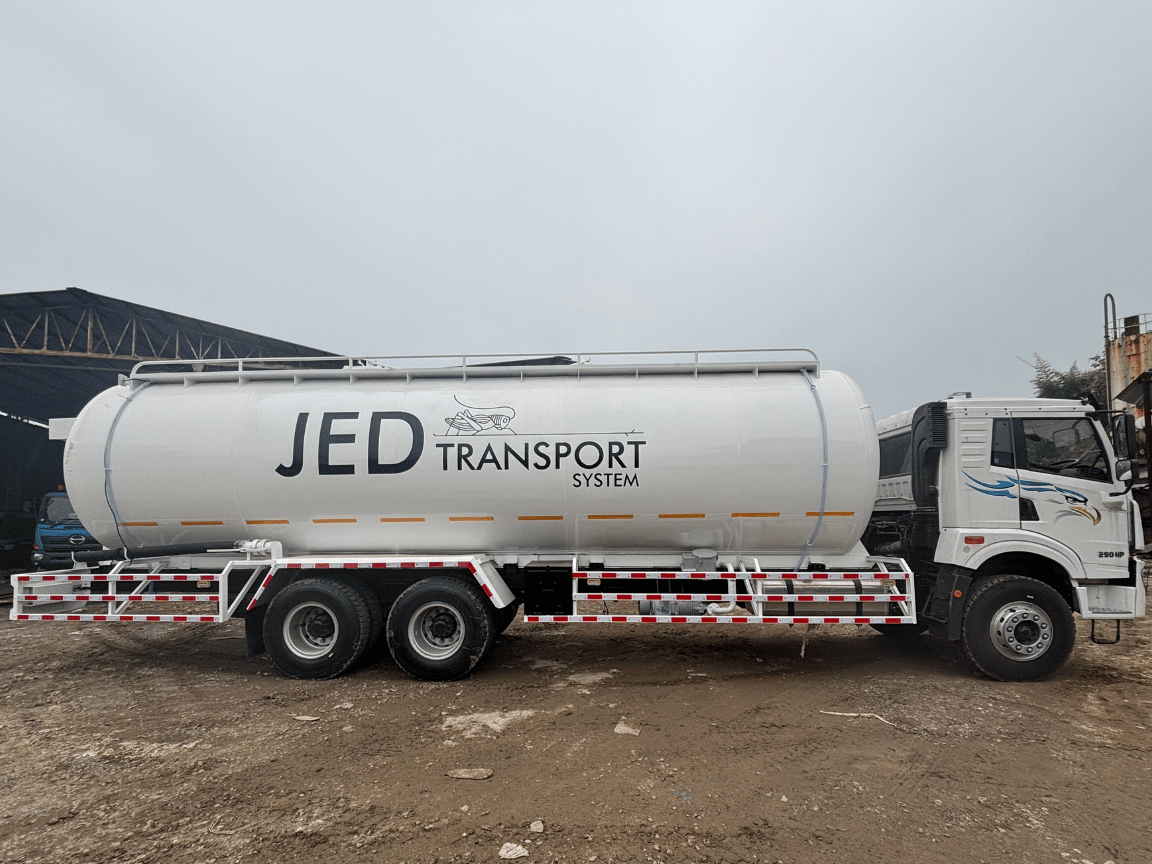
Tanks used in industrial vehicles and operational fleets are components that work continuously but often receive little attention. However, declining tank performance can be the early stage of much bigger problems: leaks, engine issues, or even operational downtime that leads to financial losses. What usually happens is that the early symptoms appear minor and are often considered normal. In reality, this is the critical phase where early detection can prevent major damage. Below are several early warning signs that your tank’s performance may be weakening, some of which you may already be experiencing without realizing it.
1. Unusual or Chemical Odors Detected
If you start noticing strange smells around the tank area, whether fuel odors, waste odors, or a chemical scent, this is a warning sign that should not be ignored. The presence of odors often indicates micro-leaks or small cracks in the tank body. These micro-cracks are usually invisible to the eye but can grow into major leaks if left unaddressed.
2. Moisture or Stains on the Tank Surface
Wet spots, small damp patches, or surfaces that appear to “sweat” are early symptoms often dismissed as trivial. Many operators simply wipe the surface without investigating the cause. In reality, this indicates unstable internal pressure or weakened joints. If this occurs, conduct an inspection immediately before the condition worsens.
3. Unusual Noises or Vibrations During Operation
This is one of the most ignored but potentially dangerous signs. Extra vibrations, unusual movement sounds, or faint rattling may indicate loose internal structures, weakened bolts, or components that are no longer functioning optimally. If neglected, these issues can affect the tank’s stability and capacity during use.
4. Slower Filling or Discharge Process
If filling or emptying the tank takes longer than usual, it is likely caused by minor blockages in pipes, valves, or the ventilation system. Although it may seem insignificant, this affects operational speed and creates small periods of downtime that can accumulate into major inefficiencies.
5. Changes in Tank Surface Color
Color changes—such as rust, white spots, or a dull appearance—are early indicators of corrosion. This is particularly risky for tanks that transport chemicals, oil, waste, or other liquid materials. Light corrosion, if ignored, can compromise the structural integrity and durability of the tank over time.
Why Early Detection Matters
Minor issues that go unaddressed often escalate into significant damage. Repair costs can increase dramatically, operational downtime becomes longer, and safety risks also intensify. By recognizing these early signs, you can prevent total failure and keep your tank operating at peak performance every day.
A Safer Solution: High-Quality Tanks with Reliable After-Sales Support
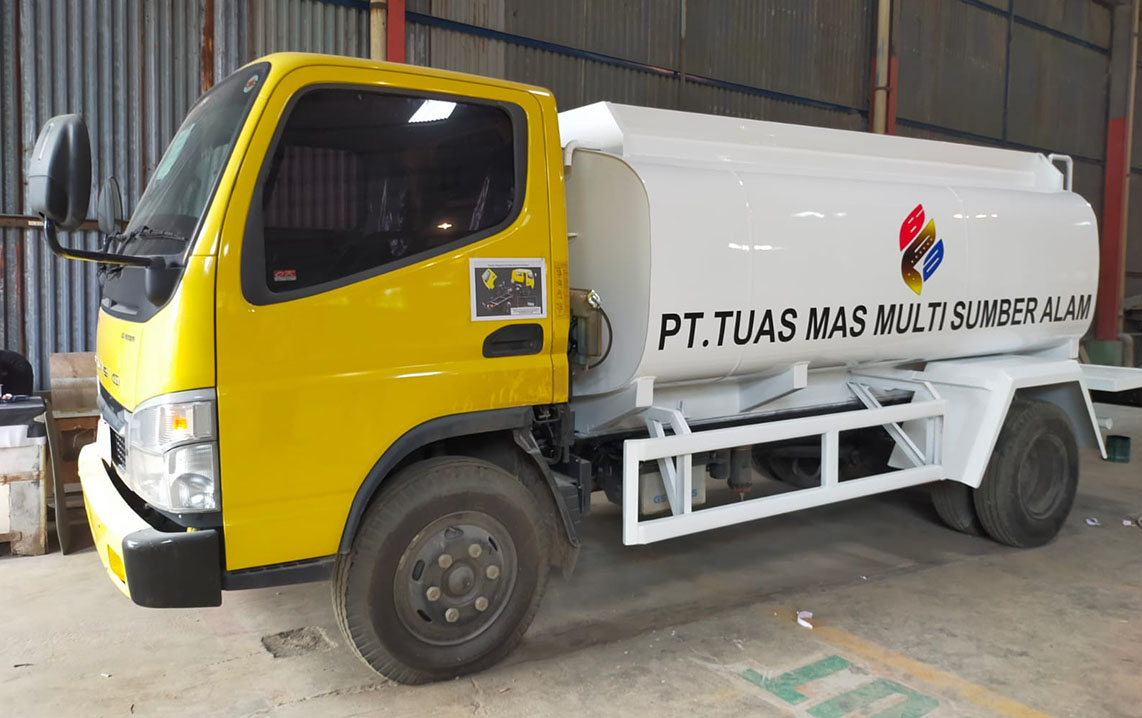
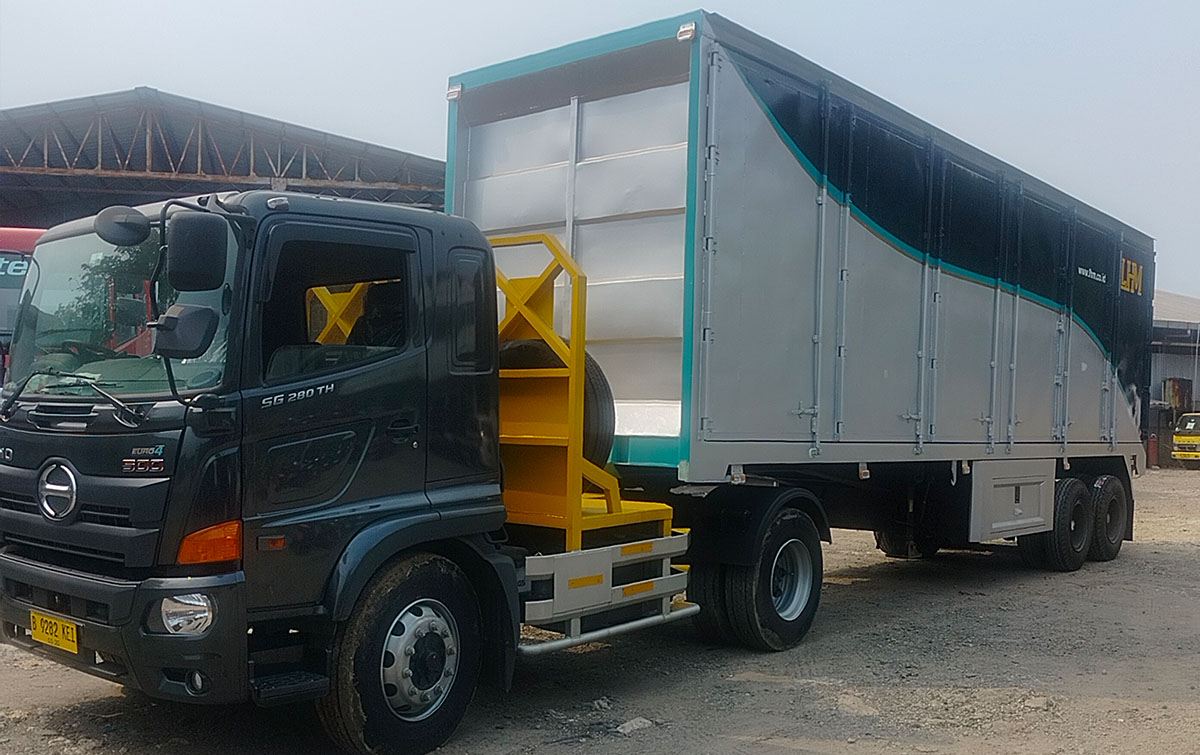
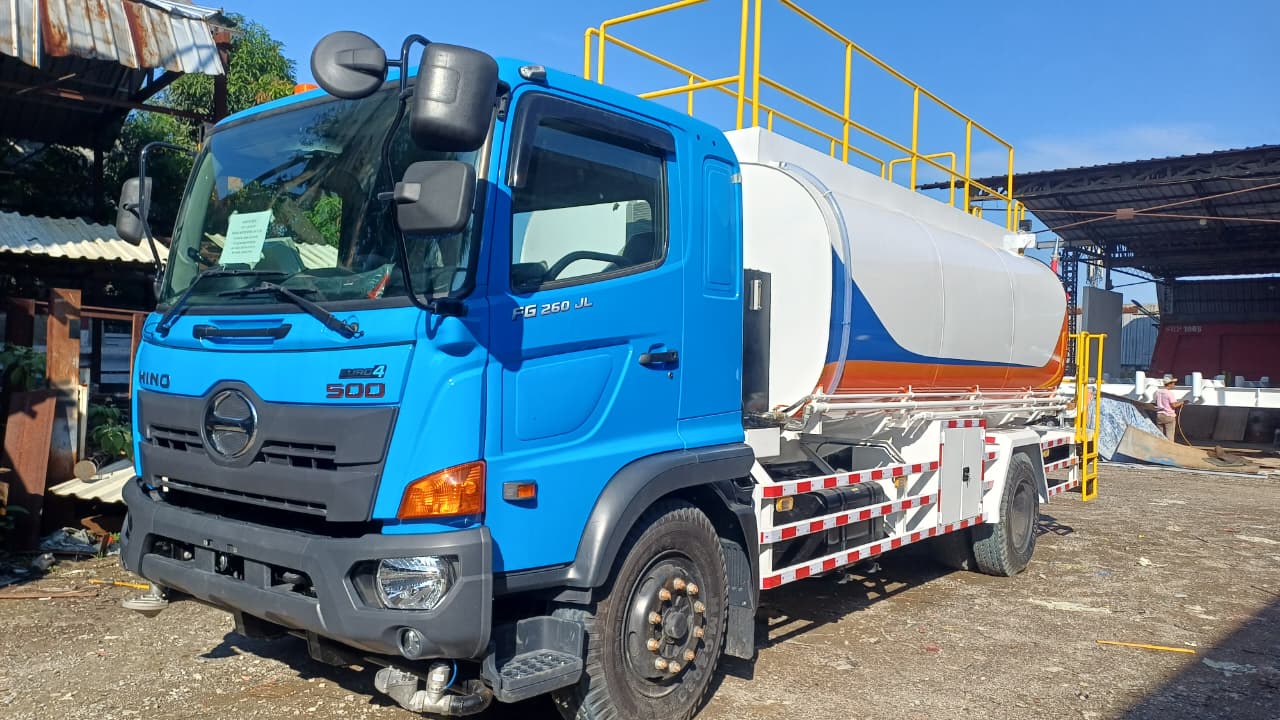
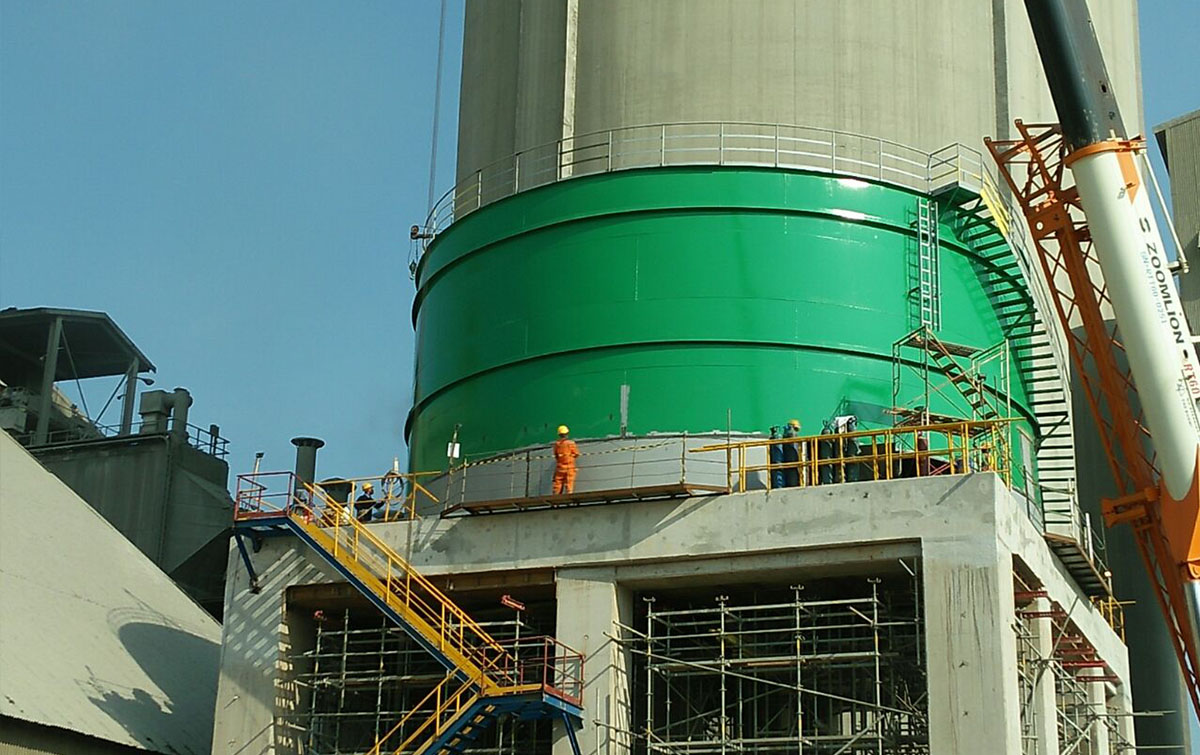
If you require a new tank—whether a hi-blow tank, water tank, or specialized industrial tank—PT Sribaru Indah Sejahtera (PT SIS) provides durable, safe, and industry-ready solutions. What adds even more peace of mind is that every tank purchased from PT SIS comes with responsive and professional after-sales support. If any issues arise, you won’t be left to handle them alone. The PT SIS technical team is ready to ensure your tank stays in optimal condition.
Recent Posts