
Which One Is More Effective for Bulk Materials Blow Tank or Silo
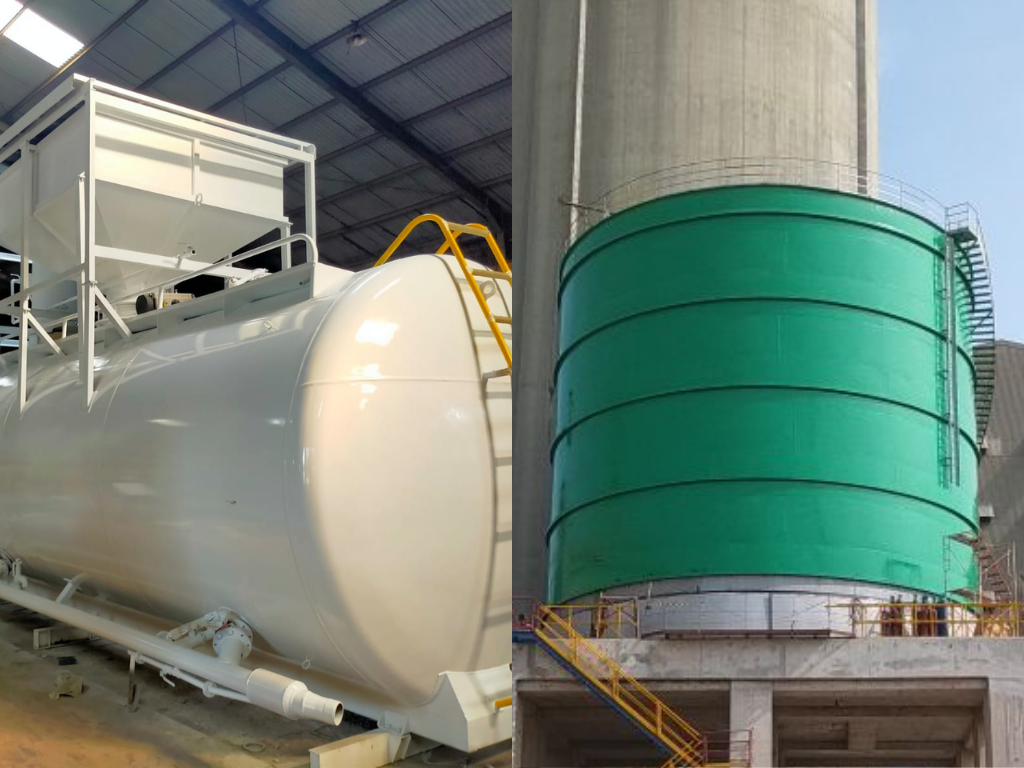
In industries that rely heavily on bulk materials such as cement, fly ash, resin, or various industrial powders, the storage and distribution system plays a crucial role in ensuring operational efficiency. Two equipment types that are most frequently compared are blow tanks and silos. Both serve the same purpose of storing and transferring bulk materials, but their technical characteristics, material flow methods, and operational requirements differ significantly. PT Sribaru Indah Sejahtera offers high quality blow tanks and silos that can be customized to meet industrial operational needs. Each unit is designed by experienced professionals to ensure stable, safe and efficient performance.
Differences in Working Principles and Functionality
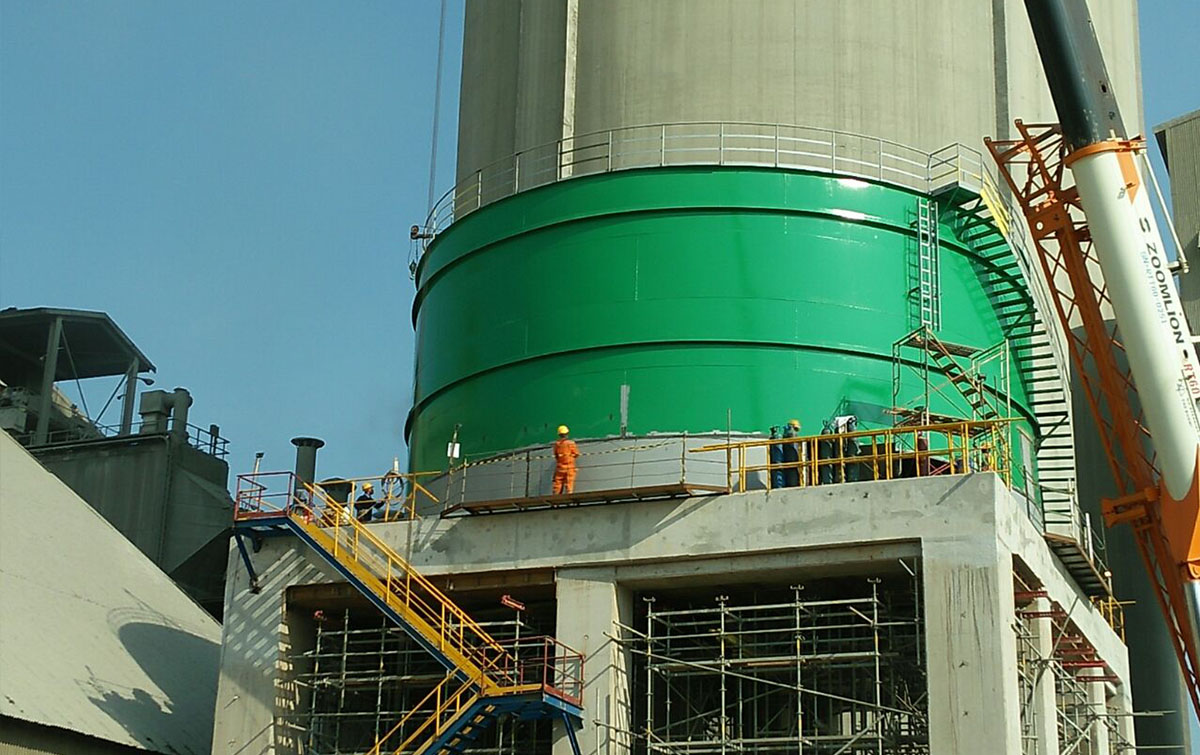
To understand the comparison, the first step is to examine how each system operates. A blow tank is a pressurized vessel used to push bulk materials through a pneumatic system. With the assistance of high pressure air, materials can be transferred quickly into trucks, pipes, or other containers. This system is ideal for distribution that requires high mobility and fast transfer speed. On the other hand, a silo is a static storage structure with a much larger capacity than a blow tank. Materials are discharged through gravity or assisted by an aeration system to maintain a smooth flow. Silos are commonly used in production areas or depots due to their efficiency in long term storage. By understanding these basic differences, it becomes clear that the choice between a blow tank and a silo depends heavily on each industry’s operational needs.
Operational Effectiveness Based on Field Requirements
Since blow tanks rely on air pressure to transport material, they are well suited for distribution between multiple locations or unloading operations that must be completed quickly. Industries that require high mobility, such as bulk cement distributors, typically choose blow tanks because deliveries can be made directly to project sites without additional facilities. The material flow rate is also better maintained because the pneumatic system is specifically designed to minimize clumping. Silos are preferred when companies require large and stable storage to support continuous production lines. Cement plants, chemical industries, and raw material processors rely on silos because their capacity supports high volume material supply every day. Although not portable like blow tanks, silos offer long term reliability, especially for production processes that cannot afford interruptions.
Cost Efficiency and Long Term Maintenance
Another important comparison involves operational and maintenance costs. Blow tanks generally have a lower initial cost than silos due to their simpler construction and smaller size. However, operational costs may increase due to compressors that require energy to transfer materials. Nevertheless, the advantage of mobility makes blow tanks an economical choice for companies focused on material delivery. Silos come with a higher initial cost due to their large structural materials, aeration systems, and foundation requirements. Yet, in the long term, silos are more cost efficient for industries with extremely high material volumes. Because silos rely largely on gravity, material transfer requires far less energy compared to blow tanks, reducing operational expenses. Maintenance is also more stable since the structure is stationary, minimizing the risk of physical damage.
Industrial Applications Through Real Situations
To provide a more concrete illustration, consider how these two systems are applied in real scenarios. In large scale construction projects requiring fast bulk cement supply across multiple sites, blow tanks are the preferred choice. Vendors can move units within hours and perform unloading in minimal space without additional infrastructure. This provides faster and more responsive field operations. In contrast, a chemical manufacturing plant processing resin or industrial powders in large volumes relies on silos. With silos, the facility can ensure a stable material supply to keep production running smoothly. Aeration systems maintain proper material flow and prevent stagnation. Silos act as an internal logistics hub that simplifies raw material quality control. These examples clearly show that the decision to use a blow tank or a silo must be based on the company’s operational patterns and efficiency priorities.
PT Sribaru Indah Sejahtera provides blow tanks and silos engineered to high standards and customizable for various technical field requirements. Additionally, every unit is supported by responsive after sales service to ensure long term operational continuity for customers.
Recent Posts