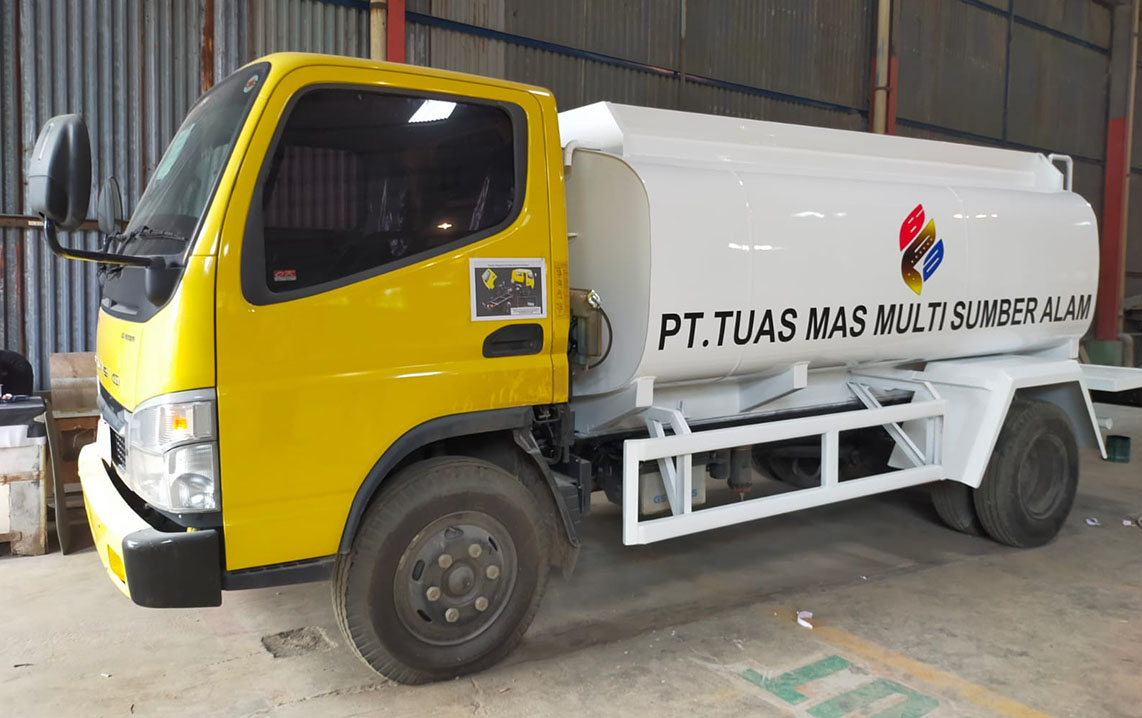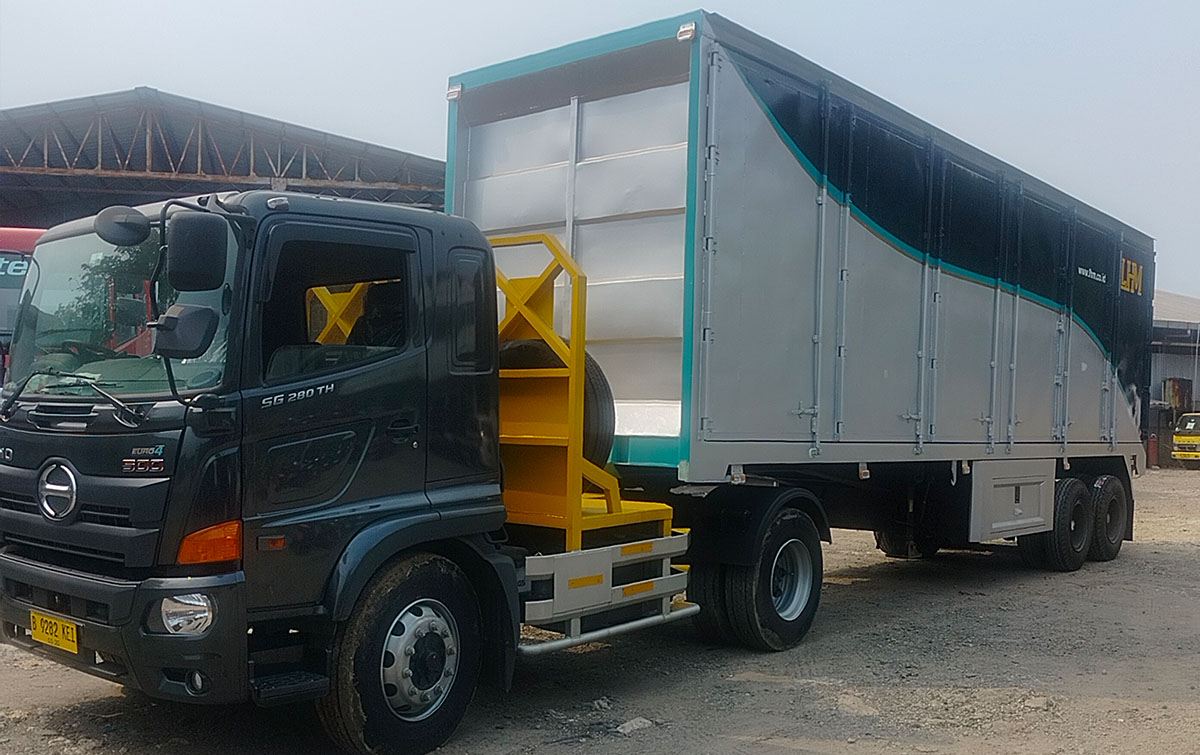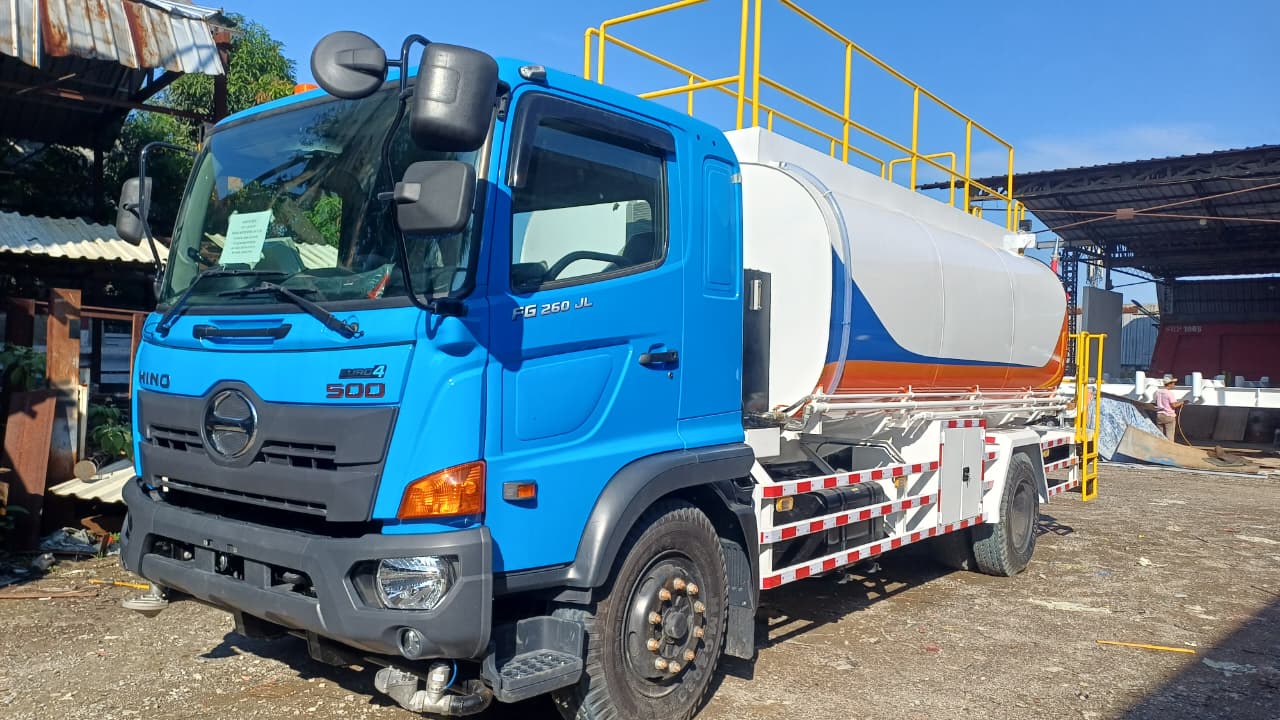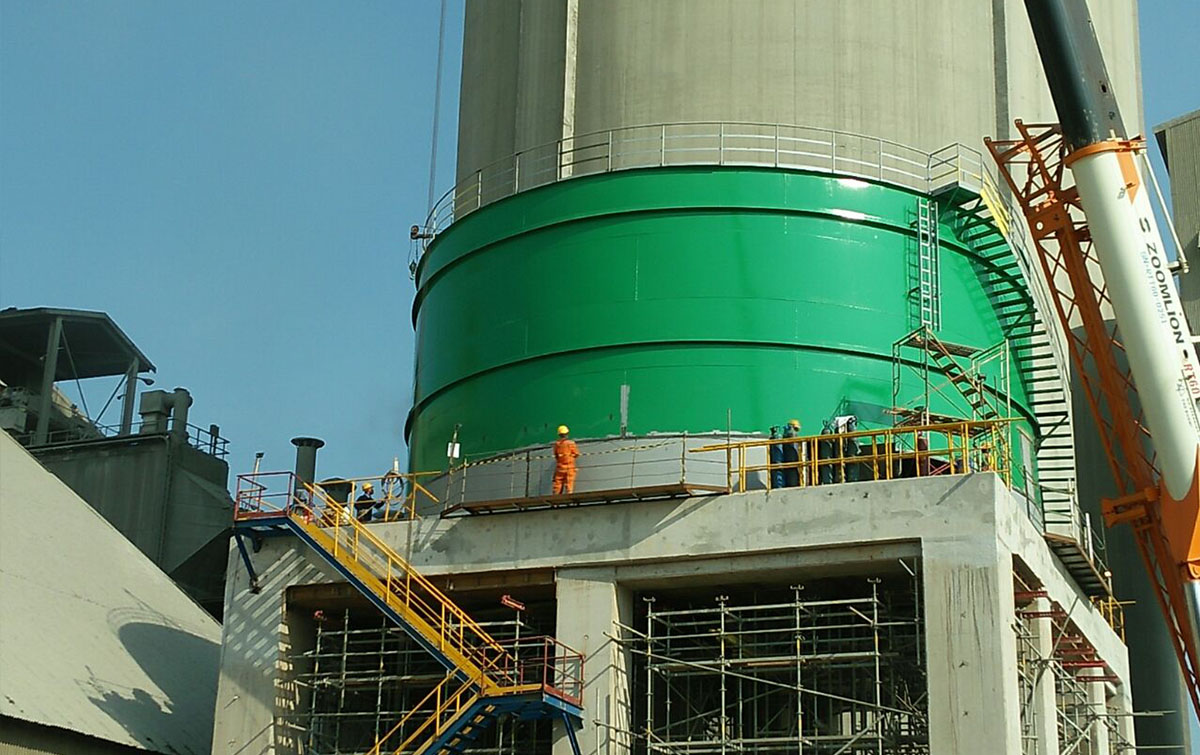

Learn what affects custom tank body prices, from capacity and materials to chassis, compartments, accessories, operating systems, and project scope before requesting a quotation from PT SIS.
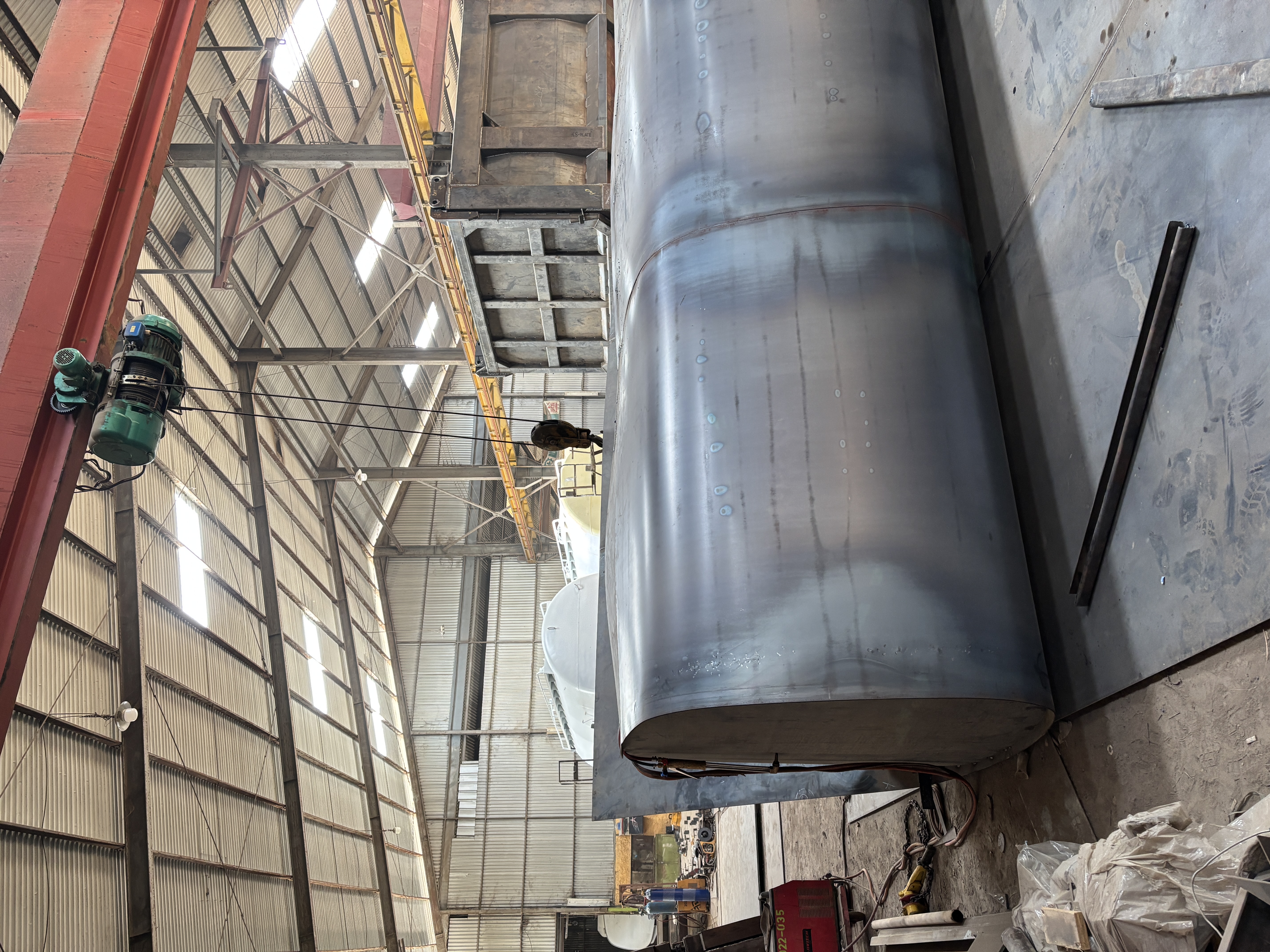
How much does a custom tank body cost for industrial use? There is no single answer for every project because requirements can vary. Tank capacity, dimensions, materials, chassis, compartments, accessories, operating systems, and the level of customization can all affect the scope of work.
Before requesting a quotation, prospective customers should understand these factors so they can communicate their project requirements clearly. PT Sribaru Indah Sejahtera (PT SIS) operates in engineered transport equipment, steel construction, and fabrication. Through project consultations, tank body specifications can be discussed according to the customer's application and operational requirements.
Why Do Custom Tank Body Prices Vary?
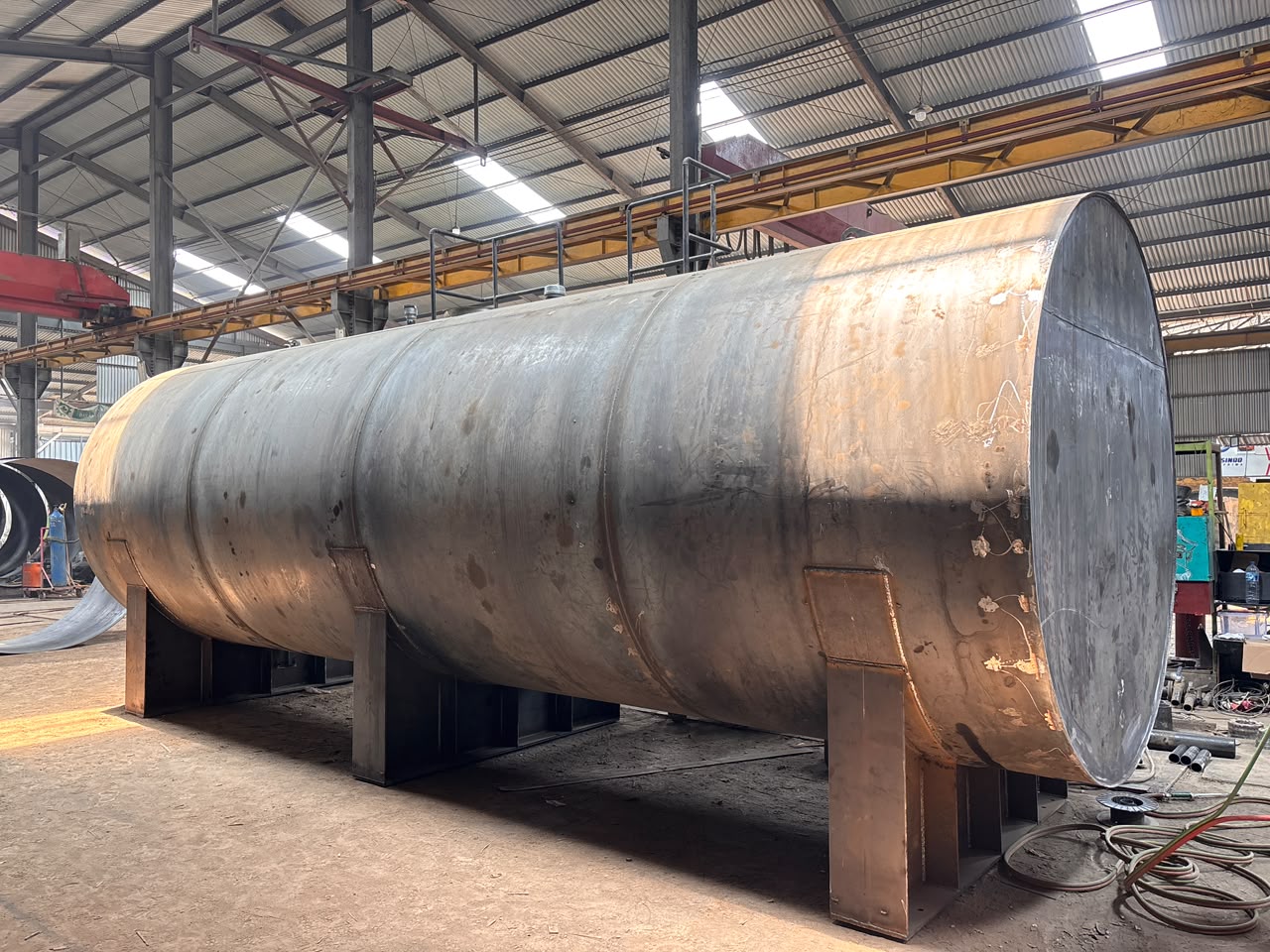
Custom tank body prices depend on a combination of design requirements, materials, supporting components, and project scope. Two projects involving tanks may have different fabrication requirements even when their nominal capacities appear similar.
For example, tanks designed to carry water, crude palm oil, or other materials may require different design considerations and configurations. Cargo type, operating conditions, loading and unloading requirements, and applicable technical requirements should be discussed during the planning stage.
For this reason, a tank body price should be evaluated against the full project specification rather than capacity alone. The clearer the requirements, the more focused the quotation and technical evaluation process can be.
PT SIS can discuss tank body and industrial transport equipment requirements with companies seeking configurations suited to their projects. Detailed costs can be established only after the required specifications and scope of work have been reviewed.
9 Key Factors That Affect Tank Body Prices
Several factors should be considered when planning a tank body budget. Each one relates to the technical requirements and scope of work involved.
1. Tank capacity
Capacity determines the nominal volume the tank must hold. Changes in capacity may affect material requirements, dimensions, construction, and tank configuration. However, tanks with the same nominal capacity do not necessarily have the same cost because other factors also influence the project.
2. Tank dimensions and shape
Tank length, width, height, cross-sectional shape, and layout need to be aligned with the required capacity and vehicle. Dimensions must also account for installation space, vehicle dimensional limits, and operational needs.
3. Tank materials
Materials should be selected based on cargo characteristics, operating conditions, construction requirements, and applicable technical requirements. Material selection should not be based solely on initial price; suitability for the intended application is also important.
4. Chassis or base vehicle
When a tank body is mounted on a truck, chassis selection becomes an important part of planning. Vehicle configuration, load limits, load distribution, dimensions, and mounting points must be evaluated to ensure that the body design is compatible with the selected vehicle.
5. Compartments
Compartments may be required to divide a tank into separate sections for transportation purposes. If needed, the number, size, and arrangement of compartments should be planned according to the intended function and applicable technical requirements. This can increase design and fabrication complexity.
6. Accessories and supporting components
Required accessories depend on the tank type and application. Components may include manholes, valves, piping, nozzles, ladders, platforms, or other equipment where required. The component list should follow the project specifications rather than assume that every tank requires the same accessories.
7. Operating systems
Some tank bodies require supporting systems for loading, unloading, pumping, or other operating functions. The required systems depend on the materials being handled and how the unit will be used. More complex system integration can expand the scope of work that needs to be considered.
8. Level of customization
A design that follows a specific vehicle configuration, layout, or specialized operating requirement may require additional engineering and coordination. The required level of customization should therefore be explained at the beginning so the scope can be evaluated properly.
9. Scope of work and finishing
A quotation should clearly identify what is included. Depending on the agreement, the scope may cover tank body fabrication, component installation, system integration, finishing, or other work. Exclusions should also be identified so that quotations can be compared fairly.
These nine factors are interconnected. A final price should not be determined by tank capacity or size alone without reviewing the project specifications and scope of work.
How to Compare Tank Body Quotations
When requesting quotations from different suppliers, prospective customers may receive different prices. This does not automatically mean that one quotation is too expensive or another is unusually cheap.
The first step is to check whether each quotation is based on the same specifications. Differences in materials, required thickness, components, operating systems, finishing, or installation work can result in different quoted values.
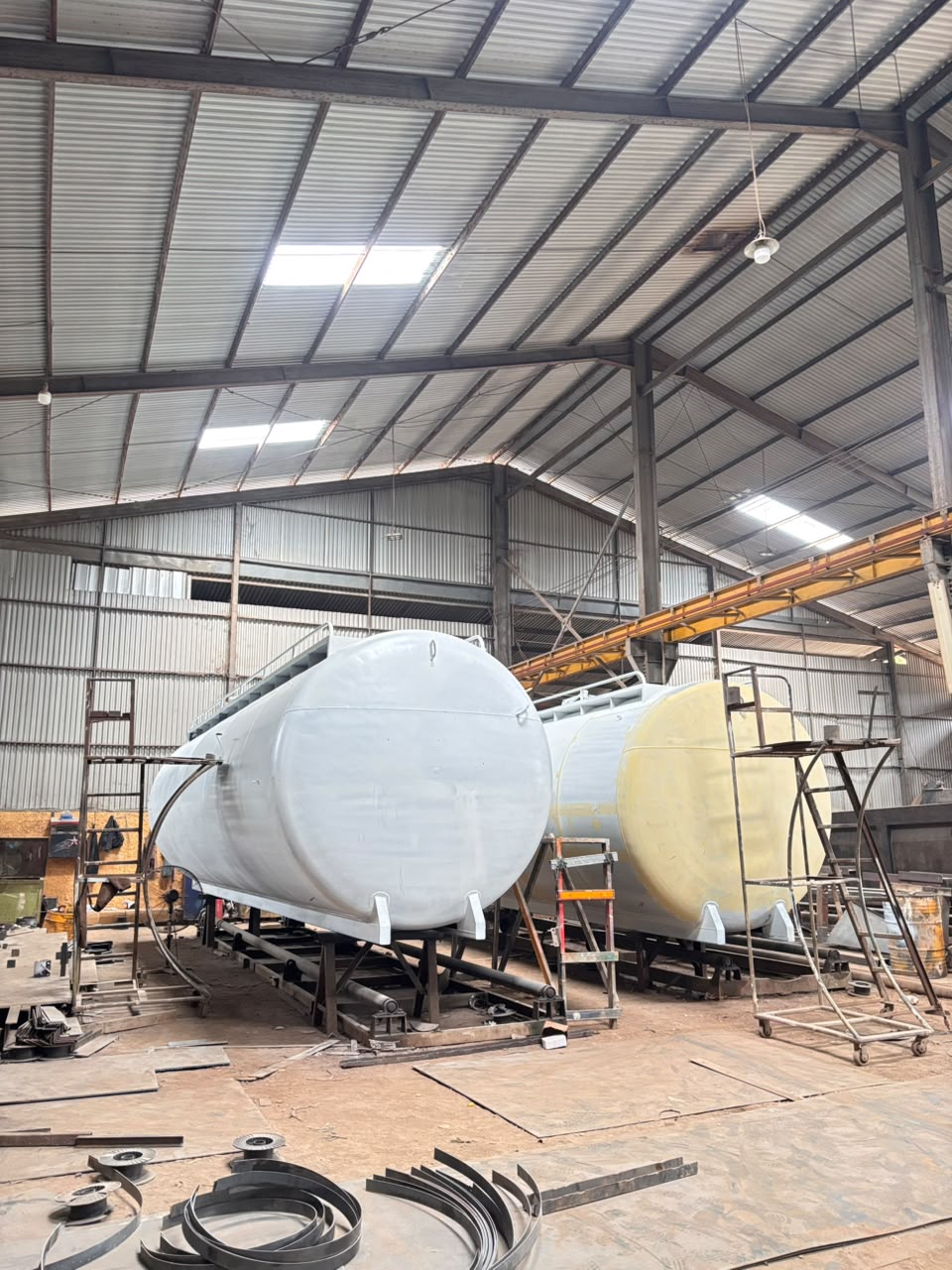
Use the following checklist to support a more consistent comparison:
| Comparison area | What to confirm |
|---|---|
| Capacity and dimensions | Are the specifications equivalent? |
| Materials | Do the material types and requirements match? |
| Chassis | Does the scope include vehicle installation? |
| Compartments | Are the number and configuration equivalent? |
| Accessories | Which components are included? |
| Operating systems | Are pumps, piping, valves, or other systems required and included? |
| Finishing | What finishing work is specified? |
| Additional work | Are integration, testing, or other tasks included? |
| Quotation terms | How are scheduling, payment, and scope boundaries defined? |
Comparing quotations on an equivalent scope helps businesses understand the value offered by each supplier. If any specification is unclear, request clarification before making a decision.
What to Prepare Before Requesting a Tank Body Price
A quotation request is more effective when the customer has prepared basic project information. These details help the supplier understand the requirements and identify technical points that still need confirmation.
Before contacting PT SIS, prepare the following information where available:
-
The tank type and the material or cargo it will handle.
-
The required nominal capacity.
-
Desired dimensions or dimensional limits.
-
The chassis or vehicle type, if already selected.
-
Compartment requirements, if applicable.
-
Required accessories and operating systems.
-
The intended operating location and conditions.
-
Technical drawings, preliminary specifications, or reference units, if available.
-
The expected scope of work, including whether the requirement covers the tank body only or also installation and component integration.
Not every detail must be finalized during the first consultation. However, the more relevant information available, the easier it is to understand and discuss the project requirements.
If some specifications are still undecided, explain the operational needs first. The discussion can begin with the tank's function and intended vehicle, followed by an evaluation of suitable configurations.
Discuss Your Custom Tank Body Requirements with PT SIS
Selecting a tank body is not simply a matter of finding the lowest price. Businesses also need to ensure that the proposed design suits their operations, vehicle, cargo, and applicable technical requirements.
PT Sribaru Indah Sejahtera operates in engineered transport equipment, steel construction, and fabrication. Its product portfolio includes CPO Tanks with customizable capacity and dimensions, as well as other industrial transport equipment solutions according to project requirements.
To obtain a relevant quotation, prospective customers can discuss capacity, dimensions, materials, chassis, compartments, accessories, operating systems, and the required scope of work. Final specifications and pricing must be confirmed through project discussions and an official quotation.
Preparing the requirements in advance helps make the consultation more focused and allows prospective customers to evaluate quotations against clearly defined specifications.
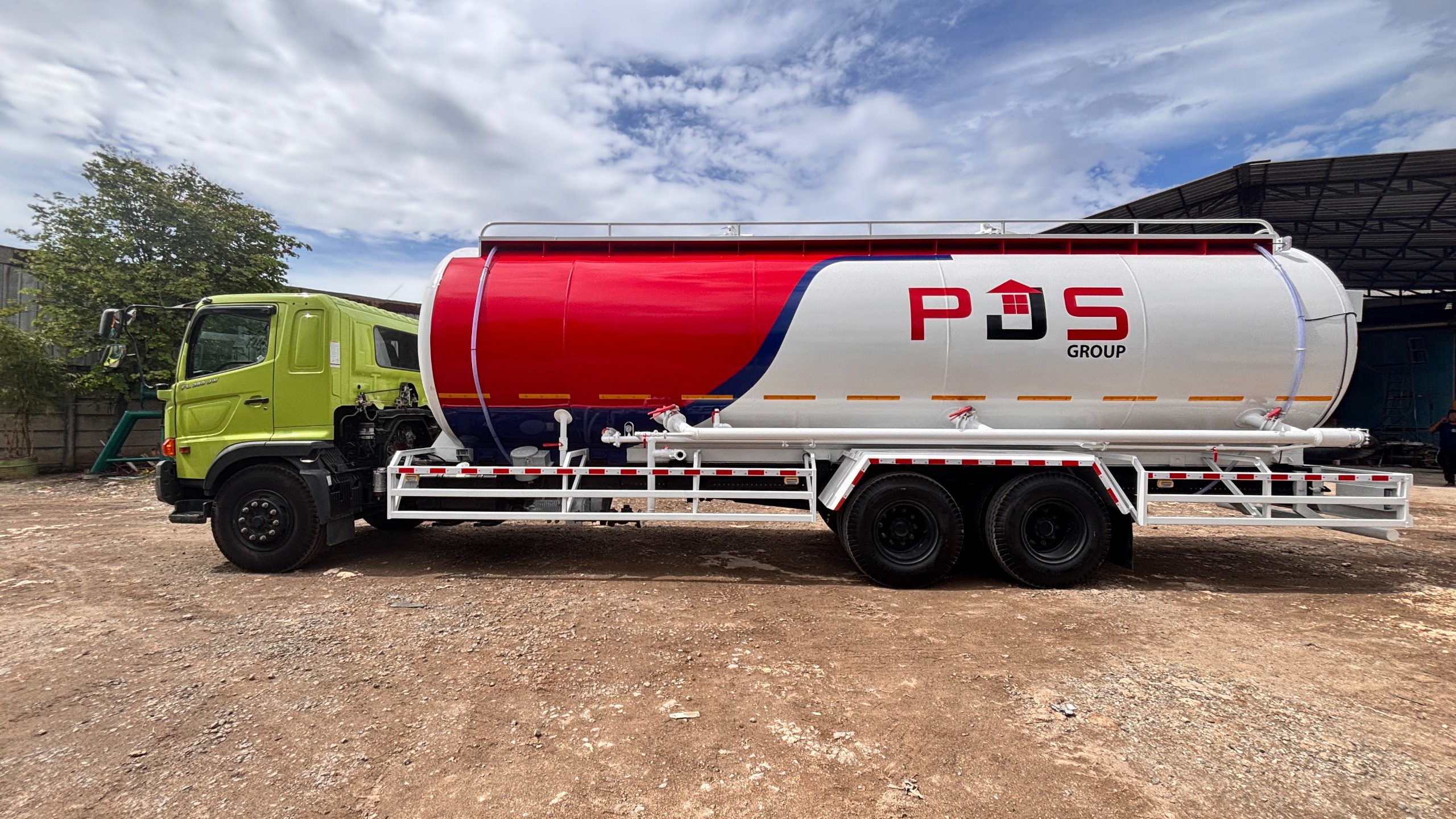
Looking for a custom tank body price for your industrial vehicle or operational requirements?
Discuss your required capacity, dimensions, materials, chassis, accessories, operating systems, and project scope with PT Sribaru Indah Sejahtera (PT SIS).
Contact our team to discuss your project and request a quotation.
Klik untuk ke WhatsApp: 0823-1262-3763
Recent Posts