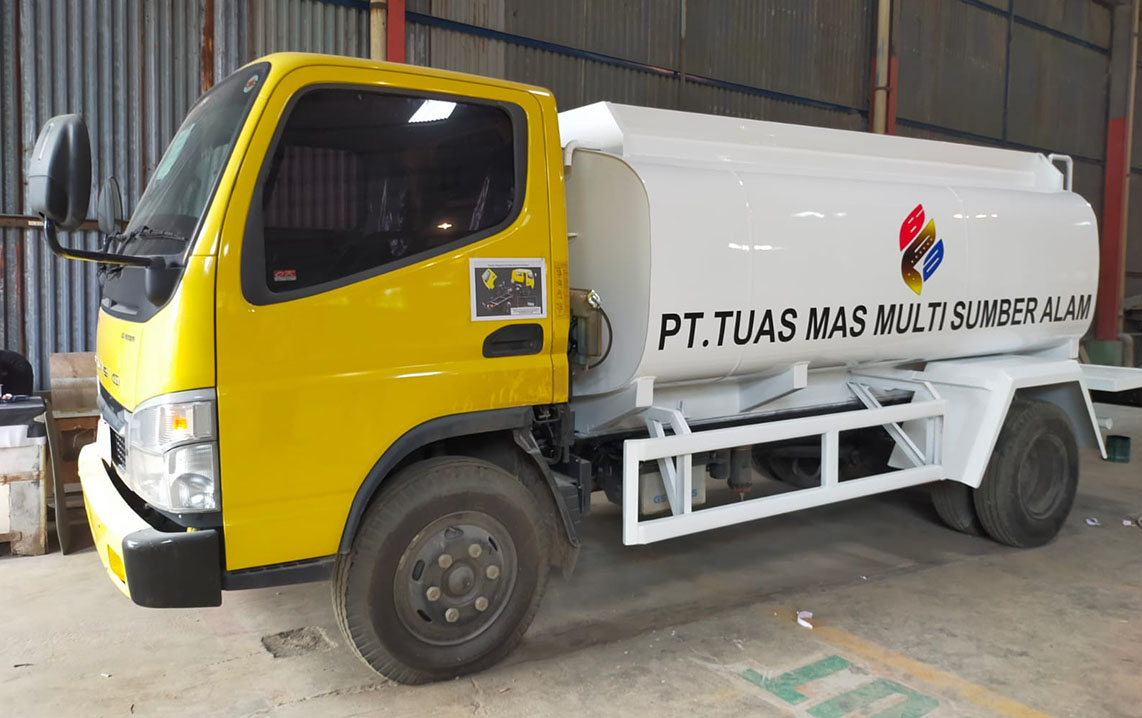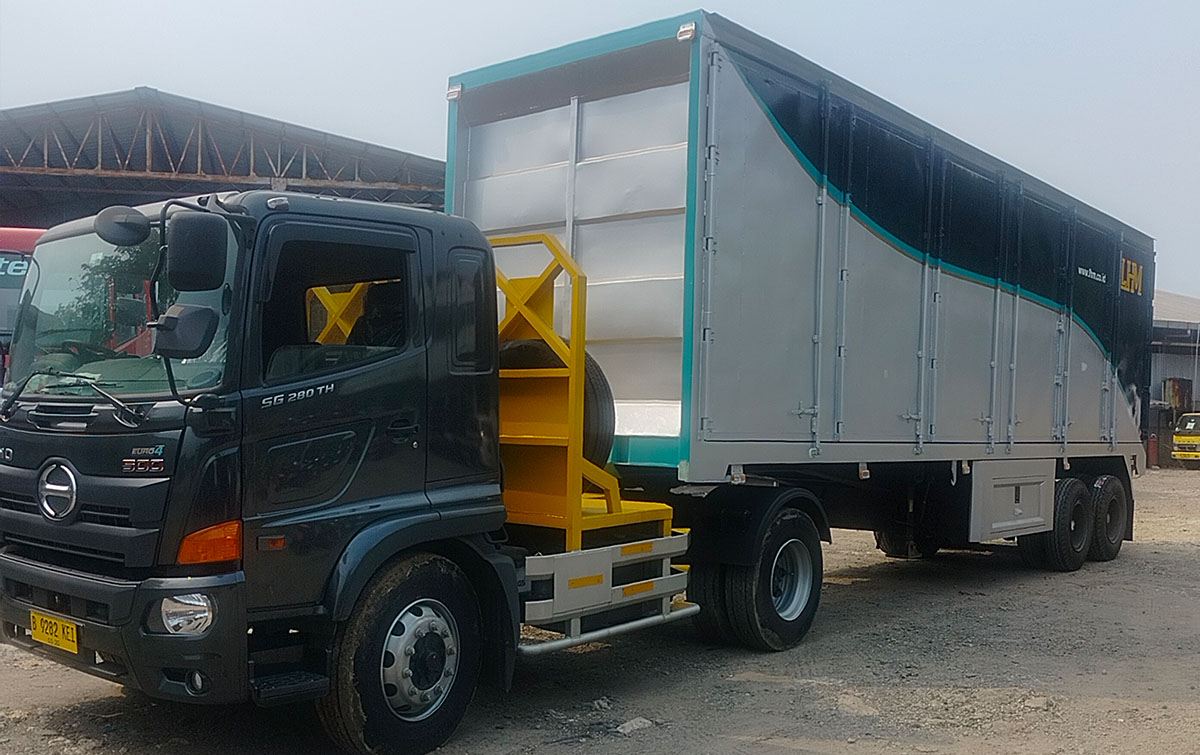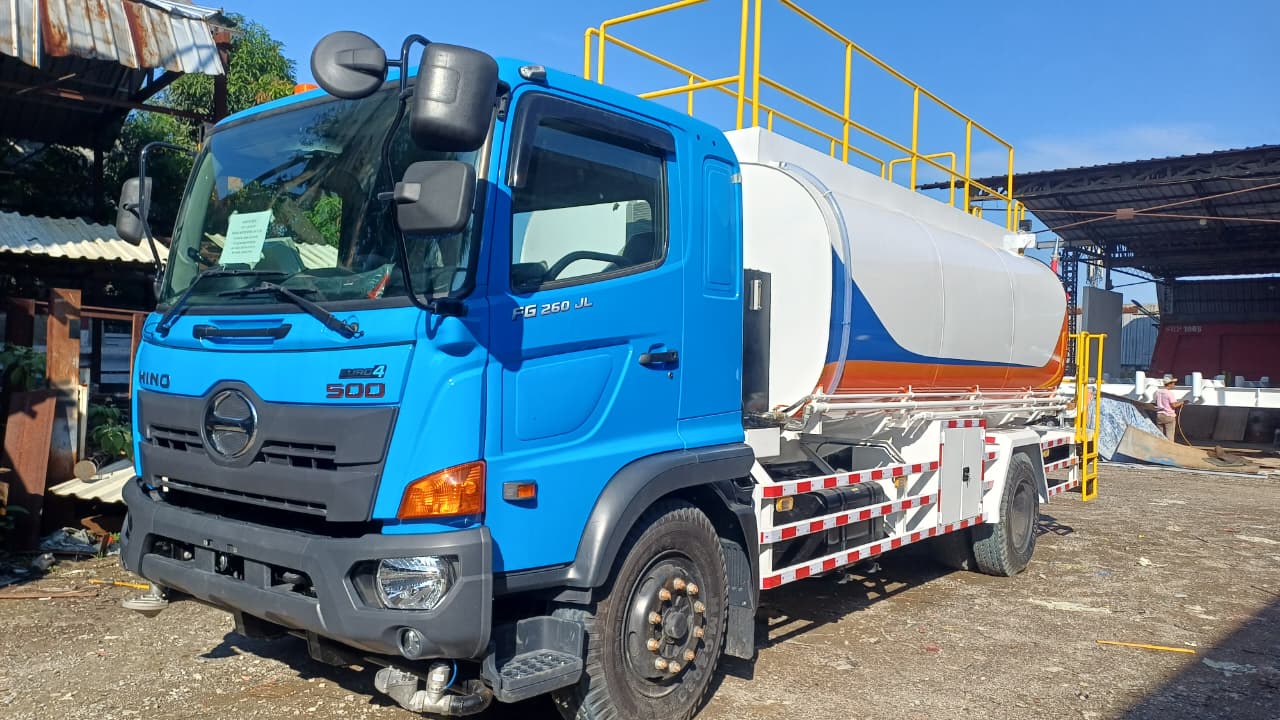

Learn how to choose a distribution truck body based on cargo type, loading methods, cargo protection, vehicle dimensions, routes, delivery frequency, and operating costs.
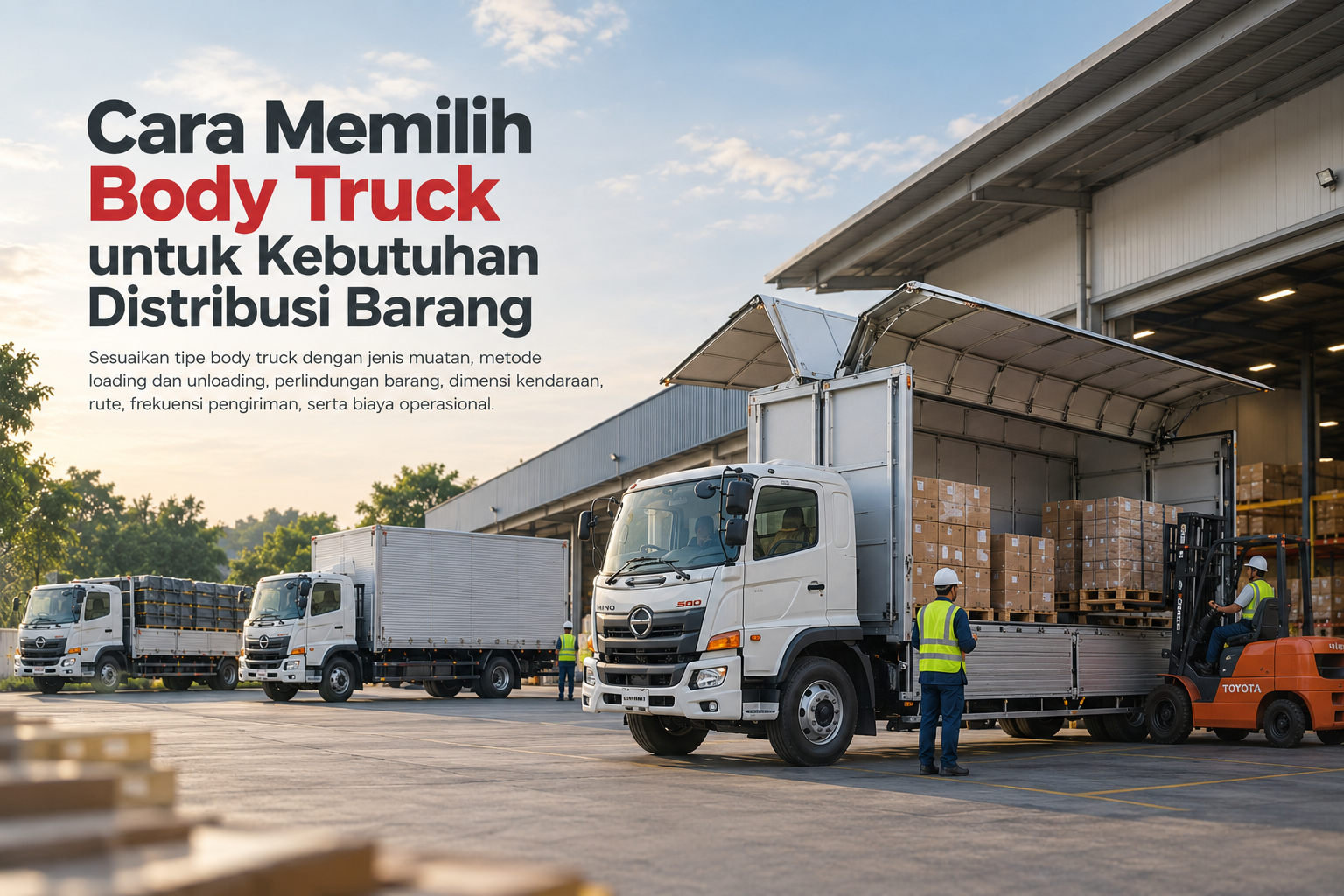
Choosing a truck body for goods distribution involves more than selecting a vehicle that looks suitable. Businesses also need to consider the type of cargo, loading and unloading methods, required level of protection, route conditions, and delivery frequency. Together, these factors affect how well the vehicle supports everyday logistics operations.
A suitable truck body can help align the vehicle with distribution requirements and cargo characteristics. PT Sribaru Indah Sejahtera (PT SIS) operates in engineered transport equipment, steel construction, and fabrication, including vehicle bodywork for industrial and logistics applications. By identifying operational needs early, businesses can prepare clearer specifications before discussing truck body configurations with a supplier
Why Does Truck Body Selection Matter for Goods Distribution?
Distribution vehicles must support the movement of goods from the loading point to the final destination. Cargo types vary, so a truck body that works well for one operation may not be suitable for another.
Goods that need protection from rain and dust have different requirements from materials that need side-loading access or forklift handling. Similarly, distribution involving many delivery stops has different operating patterns from transporting large shipments to a single destination.
Truck body selection should therefore begin with an evaluation of the entire logistics process. Businesses need to consider cargo characteristics, handling methods, routes, delivery frequency, and vehicle requirements so that the selected configuration matches actual operating conditions.
Identify the Cargo Before Choosing a Truck Body
Cargo type is one of the first factors to evaluate. Cargo characteristics affect space requirements, protection, load arrangement, and loading and unloading methods.
Distribution requirements can generally be grouped into several categories:
-
Packaged or cartonized goods that need organized stacking and protection during transport.
-
Large items that require loading access suited to their dimensions and weight.
-
Palletized goods handled using a forklift.
-
Industrial materials or components that require planned positioning and load securing.
-
Goods with unusual shapes, sizes, or handling requirements that need a specific configuration assessment.
Identify the total cargo weight, item dimensions, stacking method, and securing requirements during transport. Large cargo volume does not necessarily mean high weight, and the reverse is also true. Both must be considered to ensure that available cargo space and vehicle load limits are not exceeded.
PT SIS can discuss vehicle body requirements with companies involved in industrial and logistics operations. Clear information about cargo characteristics helps make the body configuration discussion more focused.
A Selection Matrix for Distribution Truck Bodies
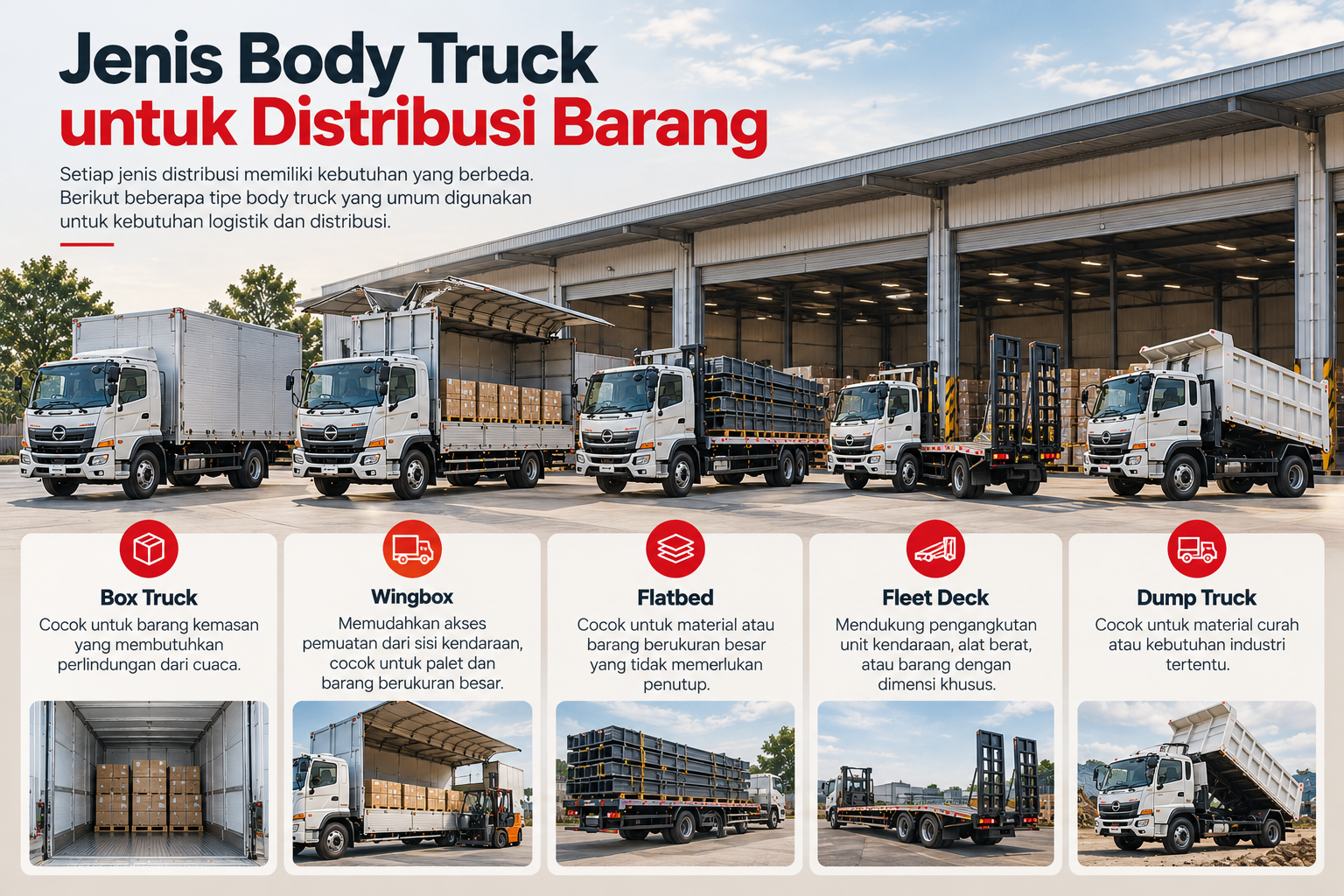
No single truck body type is ideal for every distribution operation. The following matrix provides an initial guide for comparing operational requirements with different body configurations.
| Distribution requirement | Body type to consider | What to evaluate |
|---|---|---|
| Packaged goods requiring weather protection | Box truck | Cargo space, door access, load arrangement, and protection requirements |
| Goods requiring loading access from the side | Wingbox | Clearance for opening side panels, forklift access, loading area, and vehicle dimensions |
| Goods or equipment requiring open top or side access | Fleet deck or suitable flatbed configuration | Load securing, cover requirements, dimensions, and loading method |
| Large or irregularly shaped cargo | Open body or a suitable custom configuration | Cargo dimensions, securing points, load limits, and protection requirements |
| Mixed cargo with different dimensions and handling methods | Box truck or another configuration suited to the distribution process | Cargo layout, delivery sequence, unloading access, and cargo protection |
This matrix does not mean that each body type can only be used for one category of goods. Suitability still depends on cargo characteristics, vehicle design, handling methods, and operating conditions.
If the right body type is not yet clear, start by explaining the distribution process. Loading access, protection, dimensions, and vehicle configuration can then be evaluated more systematically.
Consider Loading and Unloading Methods
The way goods are loaded and unloaded has a major influence on truck body selection. A vehicle that suits the handling method can help keep distribution organized, while an unsuitable configuration may create operational difficulties.
Before choosing a body, consider the following questions:
-
Are goods loaded and unloaded manually or by forklift?
-
Is rear access sufficient, or is side access required?
-
Must goods be unloaded in a particular sequence according to delivery schedules?
-
Is space limited at loading and unloading locations?
-
Do the goods require specific handling equipment or securing accessories?
A box truck may be suitable when cargo protection and door access are priorities. A wingbox may be considered when side access is needed and the site allows the panels to open safely. A fleet deck or open body may be relevant for cargo that requires open access, provided that suitable load-securing methods are used.
Selection should not be based on loading speed alone. Businesses should assess the entire workflow, including worker safety, available space, delivery sequence, and cargo securing before the vehicle travels.
Match Cargo Protection to the Goods Being Transported
Cargo protection is important when goods are vulnerable to rain, dust, water spray, or unwanted external access. These requirements should be reflected in the body configuration and cargo-securing procedures.
For goods that need an enclosed space, a box truck may be one option to evaluate. However, an enclosed body does not automatically guarantee protection under every condition. Door design, joints, cargo arrangement, and closing procedures still need attention.
For an open body such as a fleet deck, businesses should evaluate the need for covers and appropriate load-securing methods. Straps, securing points, covers, and other equipment should be selected according to the cargo and relevant safety requirements.
The same applies to heavy or irregularly shaped industrial goods. Cargo position, weight distribution, securing points, and vehicle load limits need to be considered. Appropriate protection helps preserve cargo condition while supporting safer transportation.
Evaluate Vehicle Dimensions, Routes, and Delivery Frequency
Truck body dimensions must suit both cargo size and operating conditions. A larger cargo space is not necessarily the best choice if the vehicle is difficult to maneuver at delivery locations or exceeds applicable dimensional and load restrictions.
Before selecting a configuration, review vehicle height and width, cargo space length, load capacity, and chassis compatibility. Planning must also account for load distribution and vehicle technical limits, not just the available cargo volume.
Delivery routes also influence requirements. Vehicles operating on wide roads with adequate unloading access may face different conditions from vehicles entering dense urban areas, restricted warehouses, or locations with many delivery stops.
Delivery frequency should be evaluated as well. A business distributing goods several times per day may have different priorities from one transporting large shipments less frequently. The assessment should cover load capacity, handling time, trip frequency, and the suitability of the vehicle for the actual distribution pattern.
Consider Operating Costs, Not Just the Initial Body Cost
When comparing truck body options, businesses should look beyond the initial manufacturing or vehicle cost. A more complete assessment also considers operating expenses and activities throughout the vehicle's service.
Factors that may be evaluated include:
-
Vehicle capacity in relation to cargo volume and weight.
-
Number of trips required to meet distribution targets.
-
Loading and unloading time at warehouses or customer locations.
-
Labor and equipment needed to handle goods.
-
Maintenance requirements for the body and supporting components.
-
Compatibility with delivery routes and loading areas.
-
Potential configuration changes if distribution patterns change.
For example, a body with greater cargo volume may not reduce distribution costs if cargo weight is frequently the limiting factor. Conversely, a configuration that simplifies cargo handling may be important when loading and unloading time affects daily operations.
Businesses should therefore compare alternatives against actual usage patterns. Cost evaluation should consider effective capacity, trip frequency, handling time, and maintenance requirements under expected operating conditions.
Discuss Your Truck Body Requirements with PT SIS
Once cargo characteristics and distribution processes are understood, the next step is to prepare technical requirements for evaluating a suitable truck body. Information about cargo, loading and unloading, protection, dimensions, routes, and delivery frequency helps clarify the project requirements.
PT Sribaru Indah Sejahtera operates in engineered transport equipment, steel construction, and fabrication. For industrial and logistics vehicle requirements, PT SIS can discuss vehicle body needs and the scope of work involved.
Prospective customers can prepare the following information before consultation:
-
The type and characteristics of the goods being distributed.
-
Cargo weight and dimensions.
-
Loading and unloading methods.
-
Cargo protection requirements.
-
The chassis or vehicle type, if already selected.
-
Delivery routes and frequency.
-
The preferred body configuration, if known.
-
Technical drawings or vehicle references, if available.
The final specifications should be determined according to operational needs and technical evaluation. This approach helps make truck body selection more focused and aligned with the company's distribution objectives.
Looking for a truck body that suits your company's goods distribution requirements?
Looking for a truck body that suits your company's goods distribution requirements?
Discuss your cargo type, loading and unloading methods, protection needs, dimensions, and vehicle configuration with PT Sribaru Indah Sejahtera (PT SIS).
WhatsApp: 0823-1262-3763
Recent Posts