
Learn how industrial dump trucks work
What Is a Dump Truck Used for in Industry?
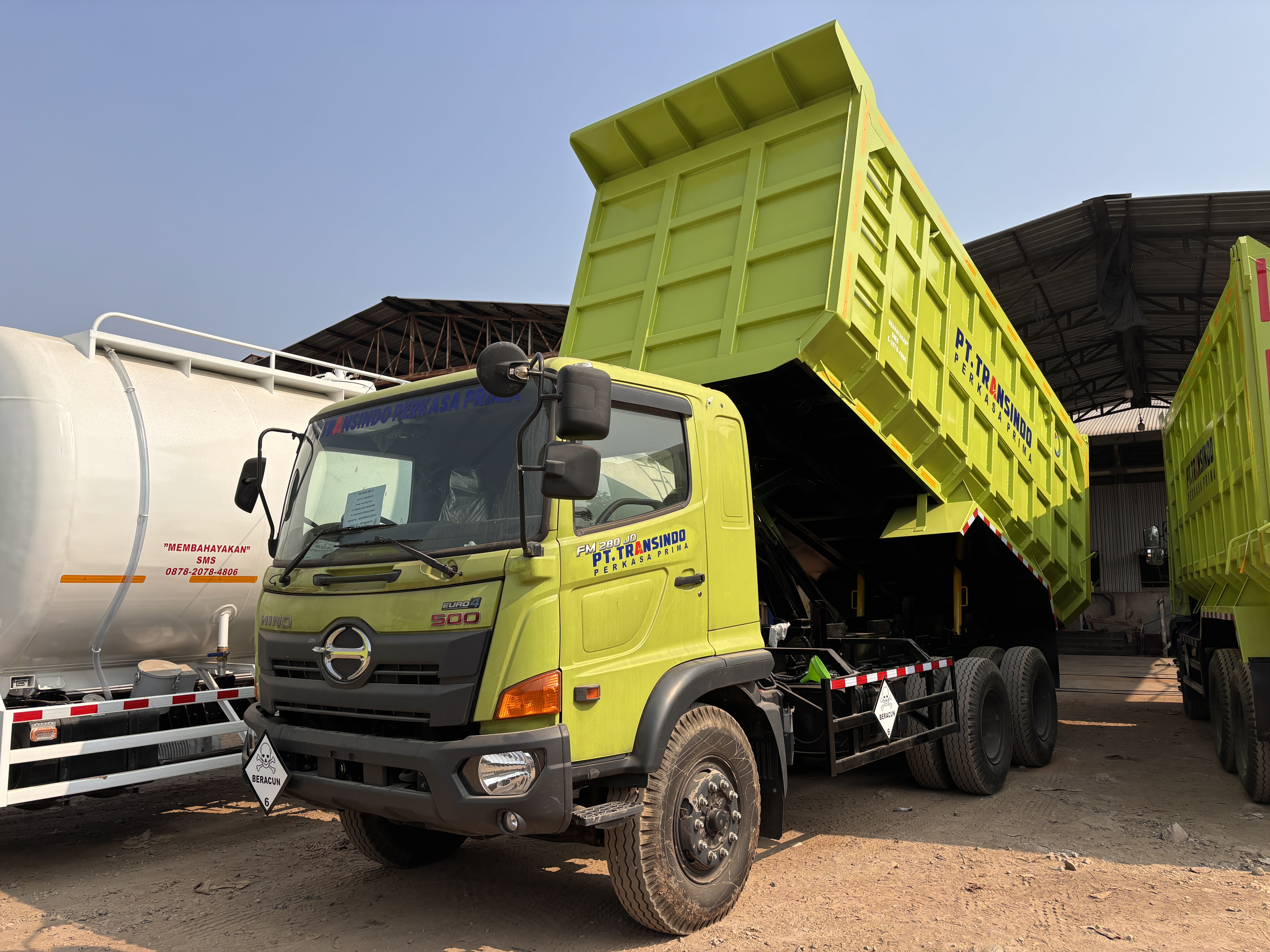
A dump truck is a hauling vehicle equipped with a body that can be raised to release its load. Depending on the vehicle design, material may be discharged through the rear or another designated opening.
Industrial applications may include transporting soil, sand, stone, aggregates, and other bulk materials compatible with the vehicle configuration. Dump trucks are used in construction, mining, excavation, and other material-handling activities where the operating conditions suit the unit.
Their role is not limited to moving material from one location to another. The ability to unload material is also an important part of the operation, so vehicle selection should account for material type, haul distance, terrain, and the required unloading method.
Main Components and How the Dumping System Works
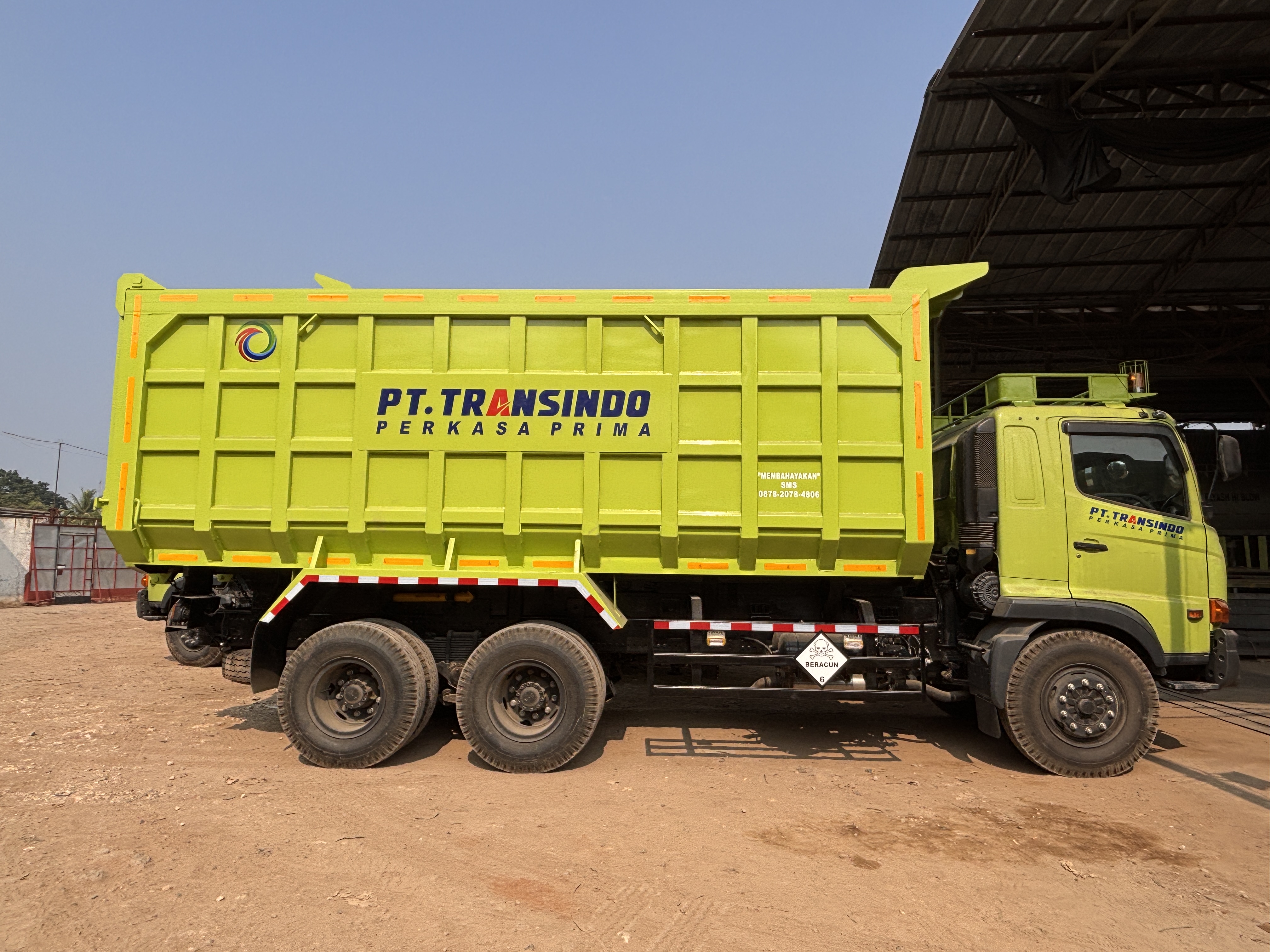
A dump truck contains several components that work together to support transport and unloading. Understanding their functions helps users identify the factors to consider when selecting or operating a vehicle.
Common components include:
-
Chassis and base vehicle: support the vehicle and provide the foundation for the body and supporting systems.
-
Dump body: holds the material during transport.
-
Lifting mechanism: raises the body to release the load.
-
Hydraulic system: used in many dump trucks to provide lifting force.
-
Tailgate or discharge mechanism: controls the release of material according to the body design.
In a hydraulically operated dump truck, the unloading process generally begins when the vehicle is positioned in a suitable discharge area. The lifting system then raises the body, allowing gravity to move the material out.
The body design, lifting mechanism, and material characteristics affect how unloading takes place. Material that clumps or sticks to the body, for example, may behave differently from material that flows more freely. This is why body design should be considered in relation to the intended load.
Factors That Affect Material Transport Operations
Operational effectiveness is not determined by payload capacity alone. The vehicle needs to match the working conditions so that transport and unloading meet the requirements of the operation.
Key factors to evaluate include:
-
Material characteristics: bulk density, particle size, moisture, and tendency to adhere can affect load handling.
-
Terrain and route conditions: gradients, road surfaces, maneuvering space, and site conditions need to be assessed.
-
Haul distance: travel distance affects operational planning and vehicle utilization.
-
Loading and unloading conditions: access for loading equipment, maneuvering space, and the discharge area must suit the vehicle.
-
Vehicle compatibility: the chassis, dump body, dumping system, and operating limits should be assessed as a complete configuration.
Evaluation should reflect the actual working environment. A unit suitable for one site may not be the best choice for another with different materials, terrain, or operating patterns.
Dump Truck Operating Safety
Raising the dump body changes the vehicle's position and center of gravity. The unloading area must therefore be assessed before dumping begins. Uneven ground, unstable surfaces, or unsuitable slopes can increase the risk of the vehicle becoming unstable.
Operators should follow the vehicle manufacturer's instructions and applicable safety procedures. The discharge area needs sufficient space, suitable ground conditions, and clearance from obstacles that could endanger the vehicle or nearby personnel.
Vehicle inspections are also an important part of operational management. Tires, brakes, the hydraulic system, the body, and supporting components should be checked according to maintenance schedules and manufacturer guidance. Any indication of damage should be addressed before the vehicle returns to service.
How to Select a Dump Truck for Your Operation
Dump truck selection should begin with an assessment of the task rather than a capacity label alone. Operations, engineering, and procurement teams should agree on the material type, payload target, terrain, and unloading requirements.
A structured evaluation can follow these steps:
-
Identify the material to be transported and its characteristics.
-
Define the required payload in accordance with the applicable vehicle limits.
-
Evaluate road conditions, terrain, haul distance, and the unloading area.
-
Check the suitability of the base vehicle, body design, and dumping mechanism.
-
Review safety, maintenance, and documentation requirements.
-
Compare vehicle specifications against the same operational requirements.
This approach helps businesses understand why a particular configuration may be appropriate and reduces the risk of selecting a vehicle based only on its stated capacity.
Evaluating dump trucks and body configurations for industrial operations?
Contact PT Sribaru Indah Sejahtera to discuss your vehicle body requirements. Prepare information about the material, target payload, base vehicle, and operating conditions to make the discussion more focused.
WhatsApp: 0823-1262-3763
Recent Posts