
Common Mistakes Operators Make When Using Hiblow Tanks and How They Lead to Costly Damage
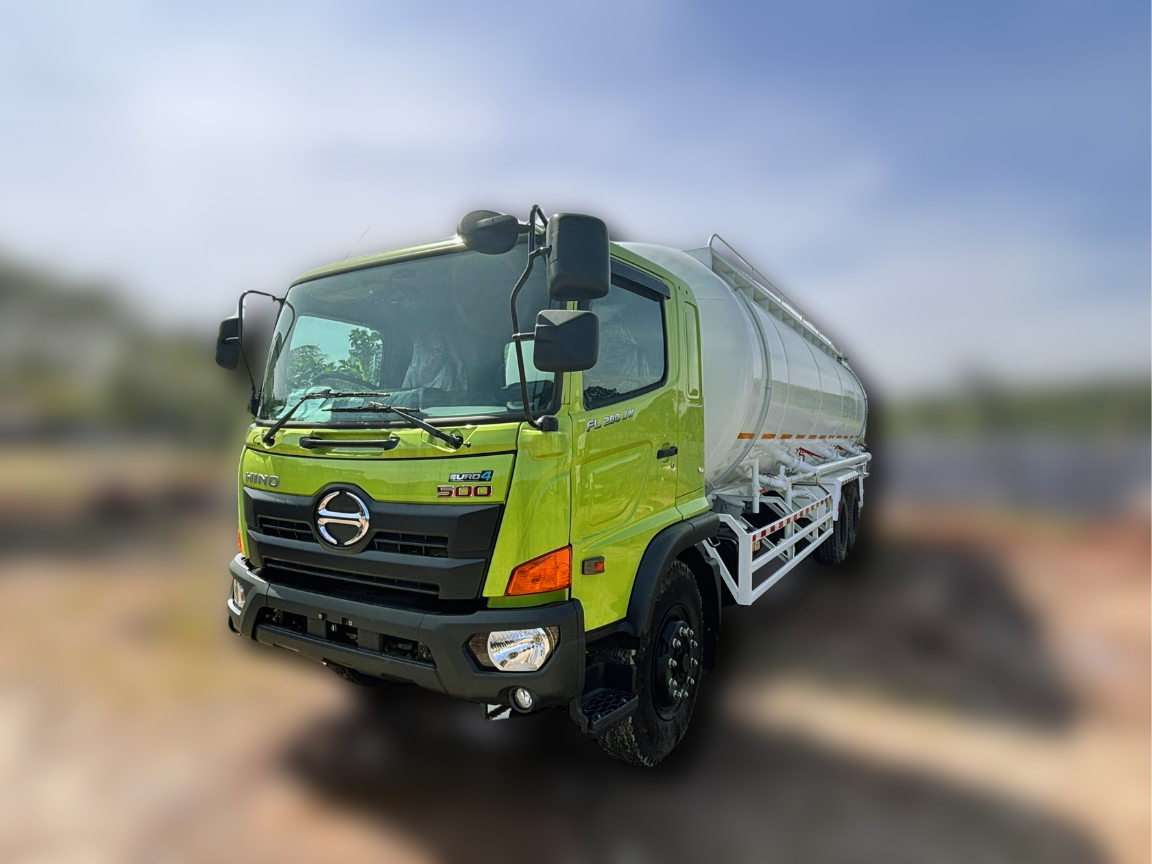
Hiblow tanks play a crucial role in supporting industrial operations that involve transporting bulk powder materials such as cement and fly ash. These units operate under pressurized systems that require accuracy, discipline, and proper maintenance. Unfortunately, many operators unknowingly commit small operational mistakes that eventually lead to significant damage. What appears harmless at first often becomes the root cause of system failures, reduced performance, or unexpected downtime. Understanding these common mistakes is essential for extending the lifespan of the Hiblow tank and ensuring safer, more efficient operations. Below are some frequently overlooked errors that can quietly harm internal components long before any visible symptoms appear.
1. Operating the Blower Without Performing a Warm Up Check
One of the most common and underestimated mistakes is immediately powering on the blower without performing a warm up check. A blower that starts under sudden load may experience unnecessary strain on its motor and internal components. Warm up checks help operators verify valve positions, ensure the air lines are free from blockage, and confirm that the pressure system is functioning normally. Skipping this step shortens component life and increases the risk of premature blower failure.
2. Ignoring Early Signs of Pressure Fluctuation
Pressure instability is often dismissed as normal during operation. However, inconsistent pressure signals may indicate early clogging in the pipeline, insufficient sealing on the manhole, or a malfunction in the safety valve. When operators fail to investigate these irregularities, the Hiblow tank is subjected to excessive internal stress. Over time this causes accelerated wear, micro leaks, or deformation in certain sections of the tank.
3. Opening the Discharge Valve Too Quickly
The discharge valve should be opened gradually to ensure smooth material flow. Some operators open the valve too quickly in an attempt to speed up unloading. This sudden rush of pressured air can cause turbulence inside the tank and elevate the risk of uneven material distribution. In severe cases this practice may create internal dents, disrupt the structural balance of the tank, or damage the pneumatic system.
4. Neglecting to Clean Residual Material After Every Operation
Powder material such as cement or fly ash tends to accumulate inside the tank. Many operators overlook the cleaning process after unloading because the residue is often invisible at a glance. Residual buildup gradually hardens and restricts material flow during the next operation. It also increases airflow resistance and forces the blower to work harder than necessary. Over time this leads to overheating, blower degradation, and potential clogging of the main discharge line.
5. Using the Tank Without Regularly Inspecting Gaskets and Seals
Gaskets and seals play a crucial role in maintaining airtight pressure. Operators often overlook these small but vital components. A worn gasket can cause minor air leaks that reduce unloading performance and increase operational time. If left unchecked, the leak can grow larger and compromise the entire pressure system, eventually affecting structural integrity.
6. Overloading Beyond Recommended Capacity
Although Hiblow tanks are built to handle demanding operations, they are not meant to exceed recommended weight specifications. Overloading creates excessive pressure inside the tank and puts unnecessary strain on the blower and frame structure. Continuous overload practices significantly increase the likelihood of mechanical failure and shorten the overall lifespan of the unit.
Why These Mistakes Should Not Be Taken Lightly
Small operational mistakes accumulate over time. Although the tank may continue functioning, internal stress gradually weakens the system. When failure eventually occurs, it usually results in costly repairs, extended downtime, or even unsafe working conditions. Preventive action is far more economical than reactive repair.
A Safer Solution Choose Quality Tanks with Reliable After Sales Support
If your operations require Hiblow tanks engineered for long term performance, PT Sribaru Indah Sejahtera provides high quality units designed to withstand demanding field conditions. Every tank is built using premium materials and manufactured with strict quality standards. More importantly each purchase includes responsive and professional after sales support. This ensures that if any issues arise, your team receives timely technical assistance and expert guidance to keep your equipment operating at its best. Choosing PT Sribaru Indah Sejahtera means investing not only in a durable tank but also in long term operational reliability and peace of mind.
Recent Posts