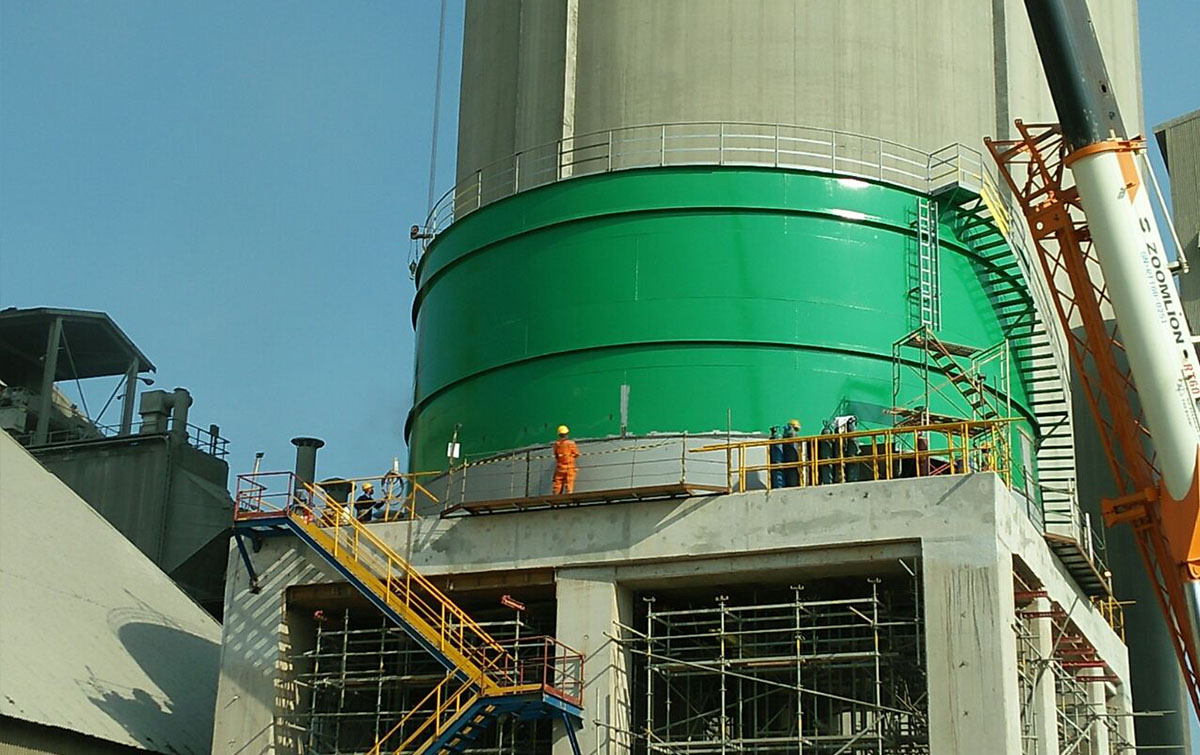

How to Choose the Right Commercial Vehicle Body Manufacturer
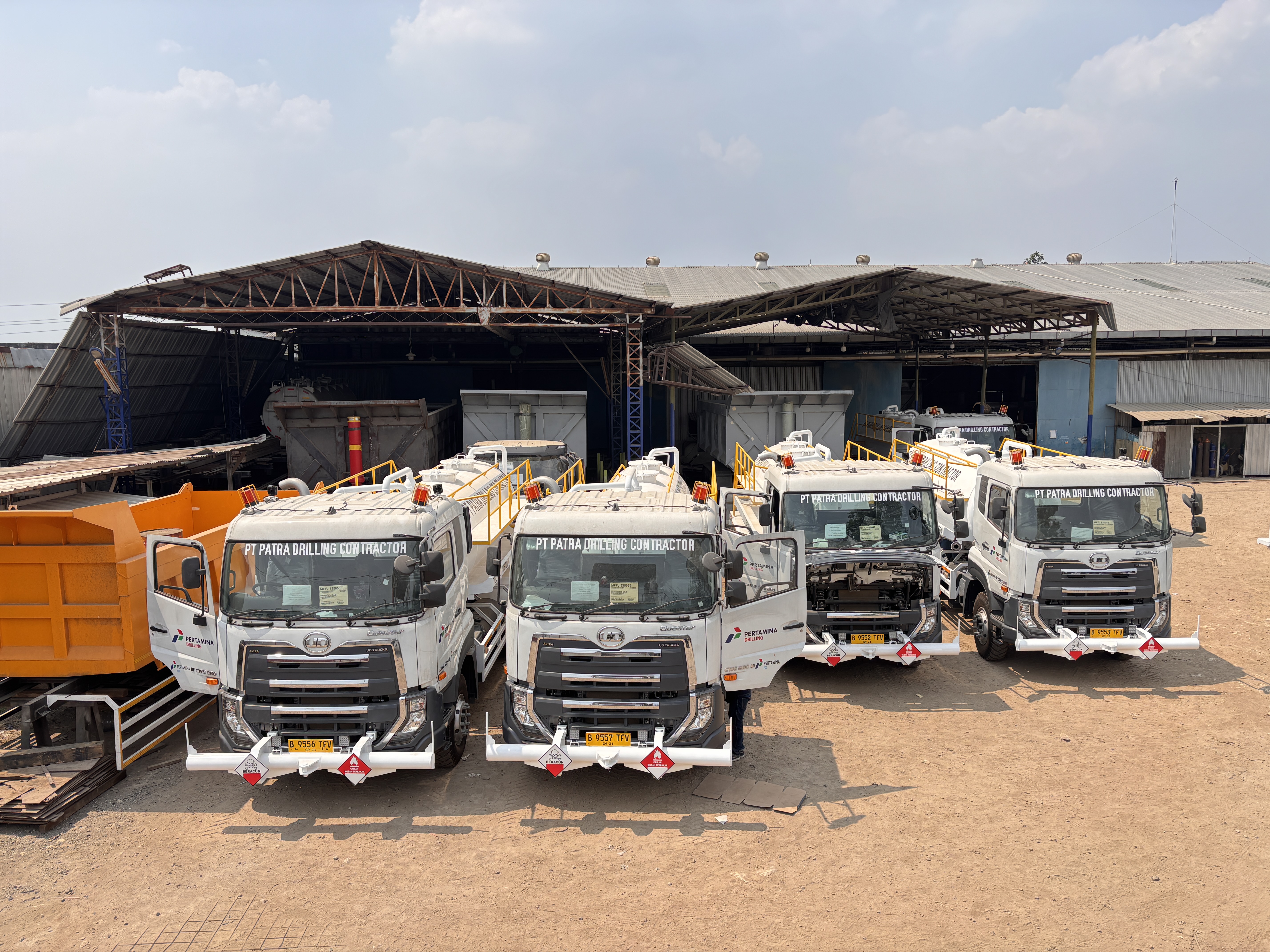
Start by Matching the Product to Your Operational Requirements
The first step in choosing a commercial vehicle body manufacturer is to establish whether its product range aligns with the intended vehicle function. Different applications may require different configurations, so operational requirements should be defined before suppliers are compared.
Businesses should outline the vehicle type, intended body function, materials or loads to be transported, operating conditions, and any relevant special requirements. This information provides a basis for assessing whether a supplier understands the application and can discuss a suitable design.
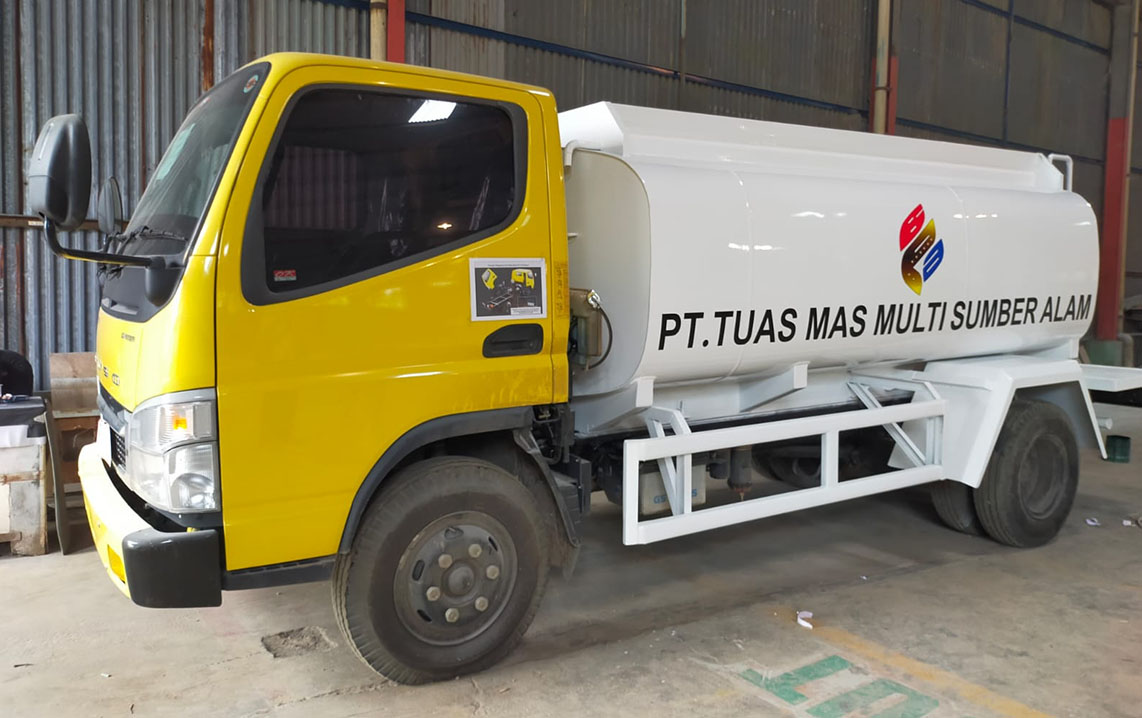
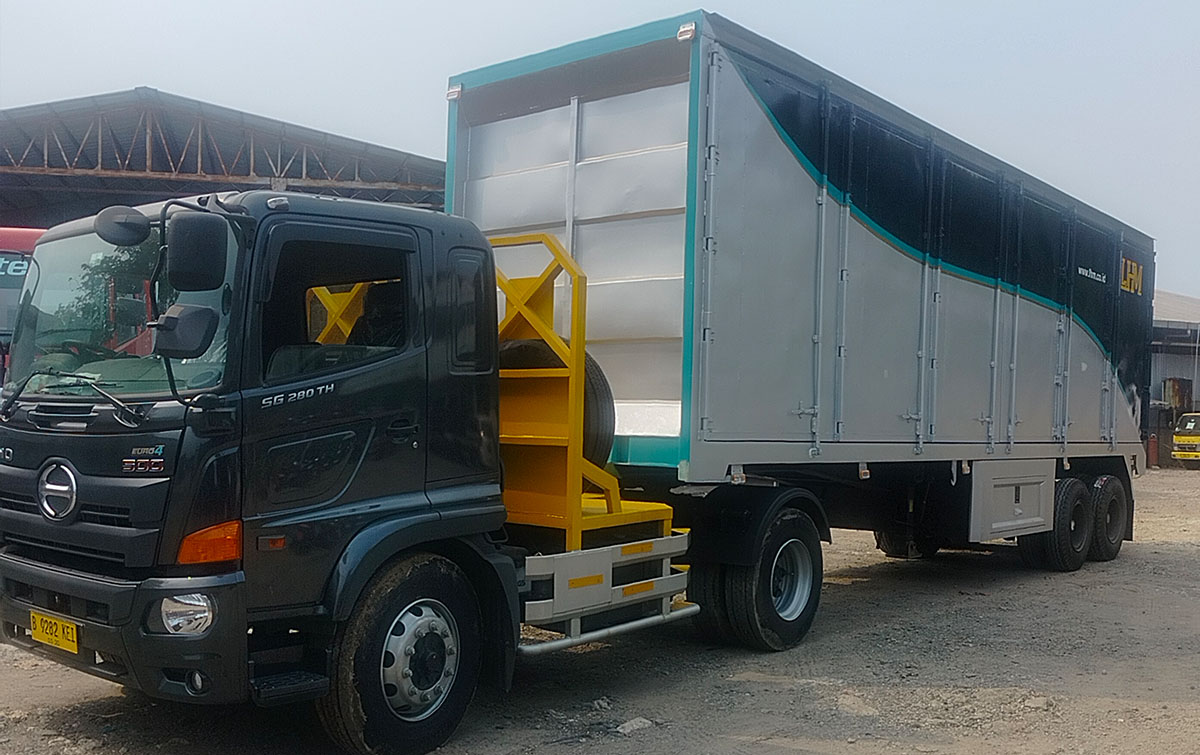
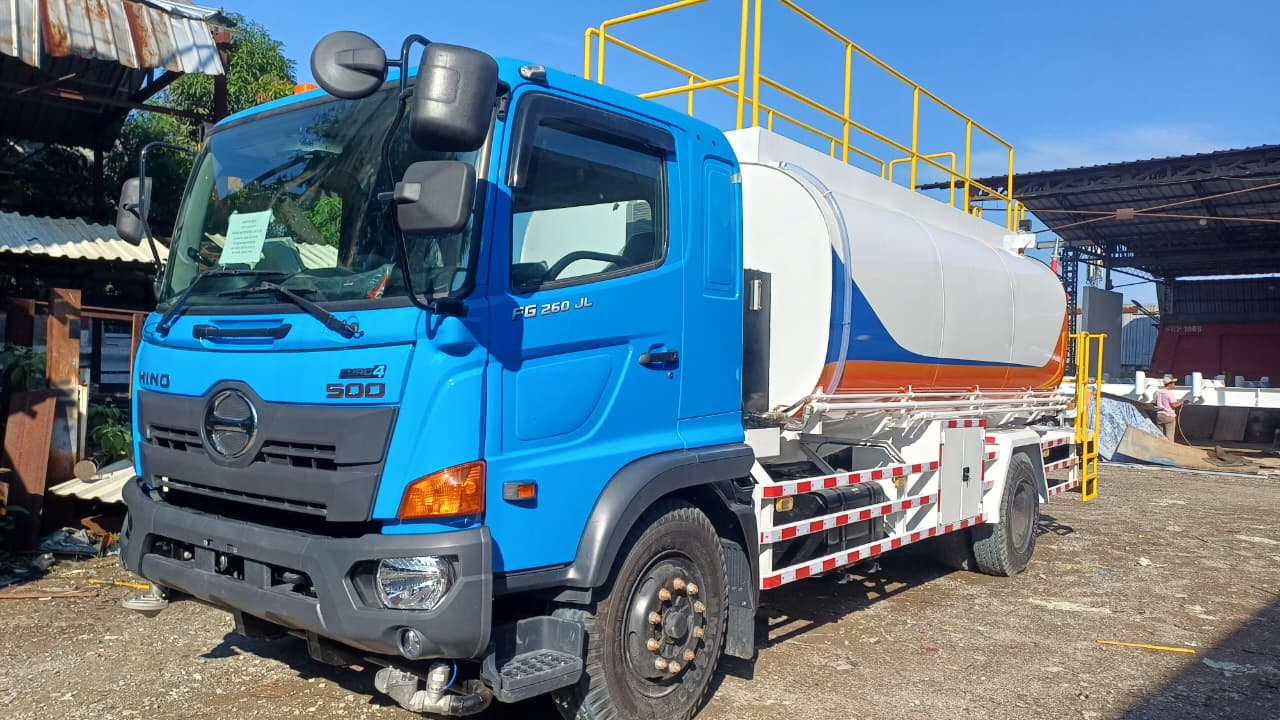
PT SIS focuses on vehicle body building, truck bodies, tanker and tank bodies, and engineered transport equipment. Buyers can begin by reviewing the official PT SIS website and identifying products relevant to their vehicle or equipment requirements.
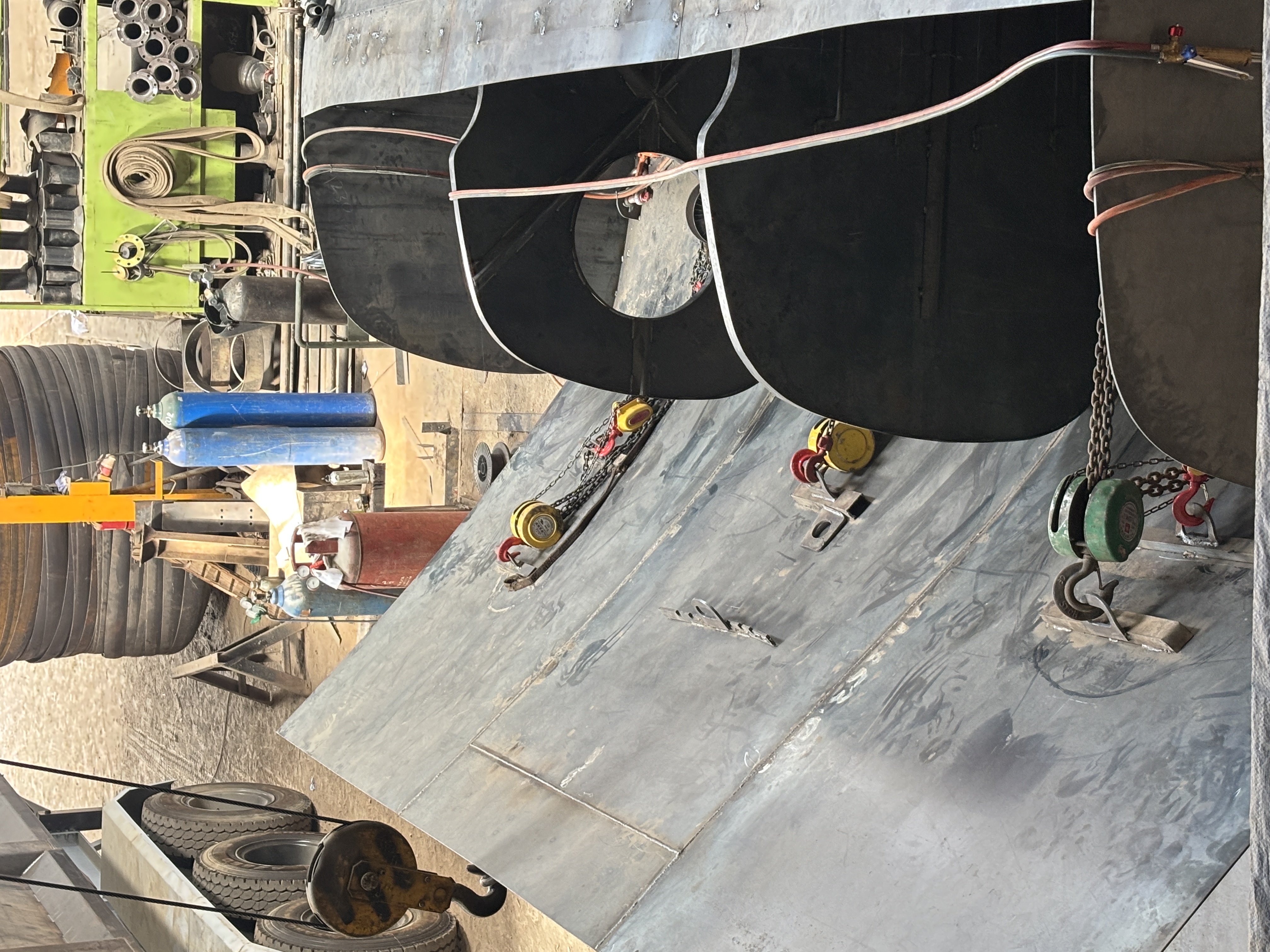
Evaluate Experience Through Verifiable Evidence
A supplier's experience should be assessed through evidence that can be reviewed, rather than promotional statements alone. Published product information, documented work, and verifiable project information can help buyers determine whether a manufacturer's experience is relevant to their requirements.
During the assessment, consider whether the examples provided resemble the intended application in terms of function, configuration, and operating context. Similarity can support a more productive technical discussion, but it does not guarantee that a new project will have the same specifications or outcome.
Request relevant supporting information when needed, such as product documentation, reference drawings, or clarification of the proposed scope of work. Ensure that information used for procurement decisions is actually available and can be confirmed.
Assess Engineering and Fabrication Capabilities
Engineering helps translate operational requirements into design requirements. Fabrication supports the manufacture of components and structures according to the agreed design.
Buyers should discuss how vehicle requirements will be translated into a proposed design, what technical information is needed, and how specification changes will be communicated. Dimensions, materials, construction details, and vehicle integration must be determined through an application-specific technical evaluation.
PT SIS identifies engineering and fabrication as supporting capabilities within its vehicle body building and engineered transport equipment business. However, its suitability for a particular configuration should still be discussed and confirmed against the proposed scope of work.
Review Quality Control and Documentation
Quality control and documentation should be discussed early to align expectations between the buyer and manufacturer. Buyers can ask how relevant inspections are determined, which documents are available, and how compliance with agreed specifications will be assessed.
Vendor evaluation may include the following considerations:
-
Clear product specifications and scope of work.
-
Availability of relevant drawings or technical documents.
-
Agreement on inspection and acceptance requirements.
-
Recording of specification changes during the project.
-
Clarity about documents provided with the finished product, where applicable.
Do not assume that every manufacturer provides the same procedures, certifications, test reports, or documentation. Confirm which inspection processes and documents are actually available and relevant to the intended application.
Evaluate Communication, Procurement, and After-Sales Support
Clear communication helps businesses manage technical questions, changes in requirements, and procurement coordination. Establish the primary contact, required approvals, and the process for communicating changes before work progresses.
When comparing quotations, check whether the scope of work, specifications, exclusions, commercial terms, and proposed lead time are clearly stated. Compare pricing alongside the scope being offered rather than relying on the quoted amount alone.
After-sales support should also be clarified rather than assumed to be identical across manufacturers. Ask what support is actually offered, how requests for assistance are handled, and which terms apply after the product has been delivered.
Build a Vendor Evaluation Process Before Making a Decision
Procurement teams can use a shared evaluation process with engineering and operations to compare manufacturers consistently.
-
Document the vehicle requirements and intended body function.
-
Review product suitability and verifiable examples of previous work.
-
Discuss engineering, fabrication, and required technical specifications.
-
Confirm available quality control processes and documentation.
-
Compare quotations using equivalent specifications and scopes of work.
-
Clarify communication, proposed schedules, commercial terms, and after-sales support.
-
Record the decision and identify any unresolved items that require confirmation before ordering.
Not every evaluation factor needs the same weighting. Businesses can set priorities according to operational risk, vehicle requirements, internal policies, and project complexity.
Considering PT SIS for Commercial Vehicle Body Requirements
PT Sribaru Indah Sejahtera operates in vehicle body building, truck bodies, tanker and tank bodies, and engineered transport equipment. Engineering and fabrication support these business areas.
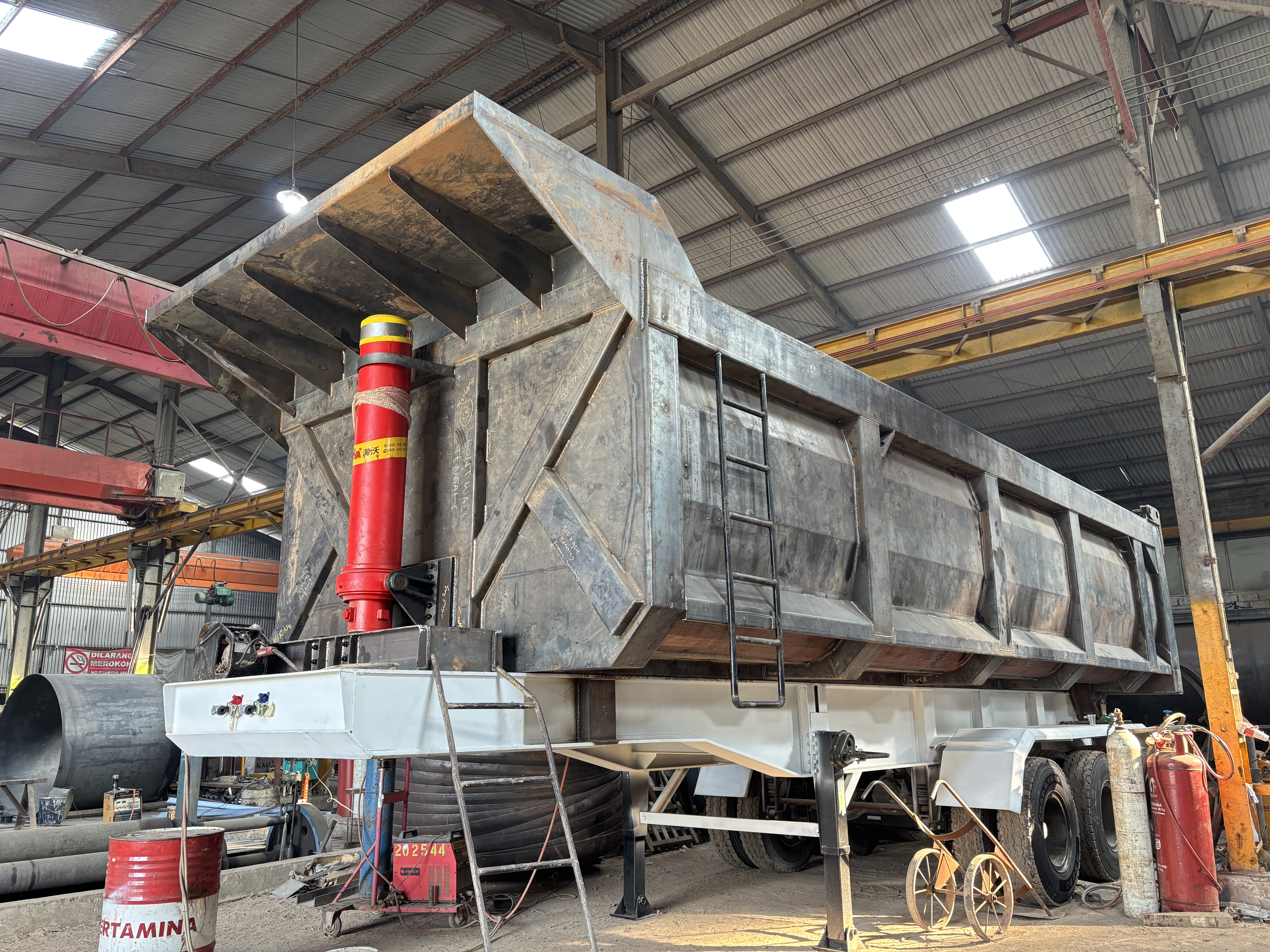
Businesses evaluating a commercial vehicle body manufacturer can review the PT SIS website to learn about the company and its published products. Vehicle requirements, intended body function, preferred configuration, and technical specifications can then be discussed to establish whether the available product range is suitable.
To begin a consultation, visit the official PT SIS contact page. Configuration availability, specifications, documentation, pricing, production lead time, and after-sales support must be confirmed according to the actual requirements and proposed scope of work.
Looking for a commercial vehicle body manufacturer for your business? Prepare your vehicle details, intended body function, operational requirements, and available technical specifications. Contact PT Sribaru Indah Sejahtera to discuss your needs and assess their suitability for the company's product range.
Recent Posts