
How to Choose an Industrial Storage Tank from 5 KL to 59 KL
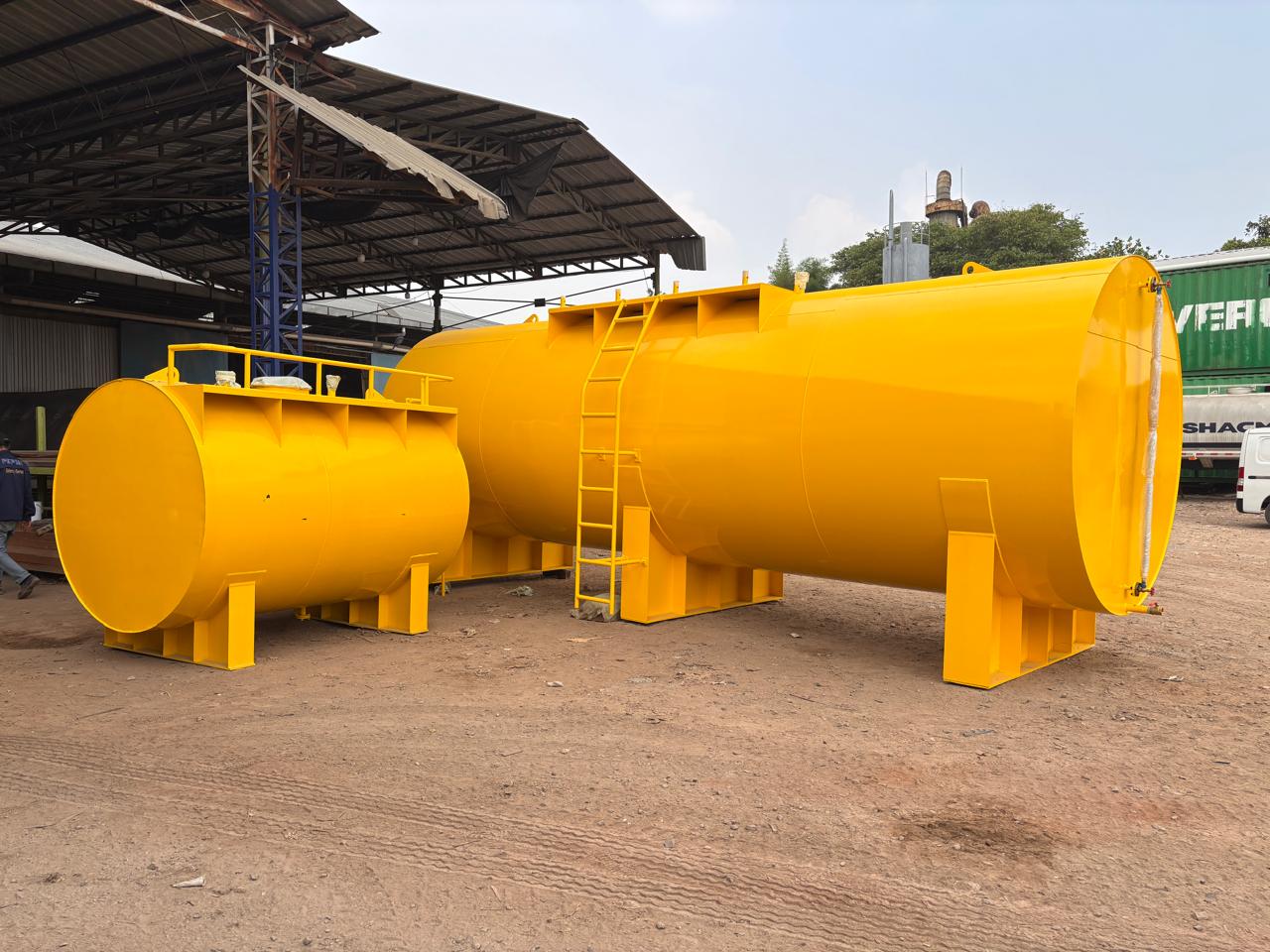
Understanding the Role of Storage Tanks in Industrial Operations
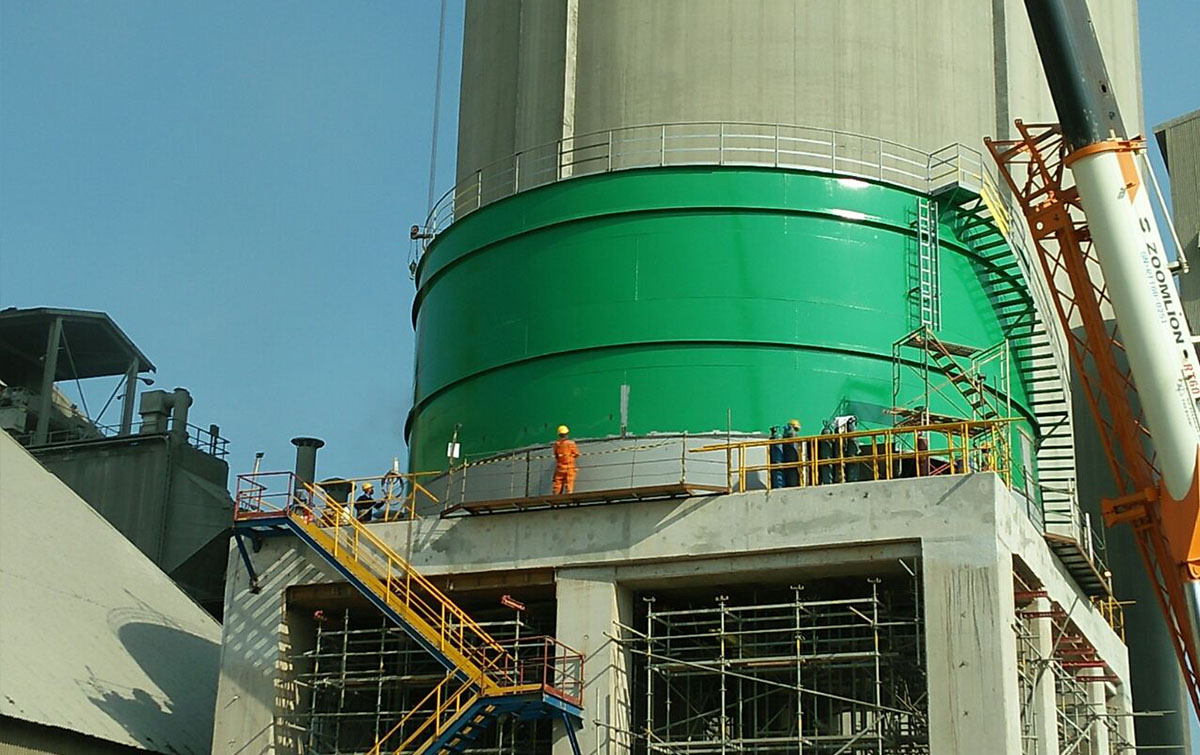
A storage tank is a container designed to hold materials for a particular purpose. In industrial operations, tanks can help maintain liquid supplies, support production workflows, and organize storage requirements.
Before selecting a design, businesses should determine whether the tank will remain at a fixed location or form part of a transport system. These applications have different functional requirements, which can influence the tank design and configuration.
Understanding Storage Tank Capacity from 5 KL to 59 KL
KL, or kiloliter, is a unit of volume. One kiloliter equals 1,000 liters, meaning a 5 KL tank represents 5,000 liters, while a 59 KL tank represents 59,000 liters.
This capacity range can serve as a starting point for estimating storage requirements. The actual capacity should be evaluated against the volume of material needed, filling frequency, usage patterns, and available installation space.
Nominal capacity does not necessarily mean that the entire volume can be used for every operating condition. Filling limits, liquid characteristics, and applicable design requirements should be considered during planning.
Factors to Consider Before Selecting a Storage Tank
Choosing a storage tank starts with identifying the intended application. The following information can help structure a discussion with a manufacturer.
-
The type of liquid or material to be stored.
-
The required storage capacity.
-
Whether the tank is intended for stationary storage or transportation.
-
The installation location and available space.
-
Filling, discharge, inspection, and maintenance requirements.
-
Relevant technical and safety requirements for the intended application.
The stored liquid is an important consideration because its characteristics may affect material selection, design, and tank configuration. These specifications should be established for the actual application rather than assumed to be the same for every tank.
Stationary Storage Tanks and Transport Tanks: Key Differences
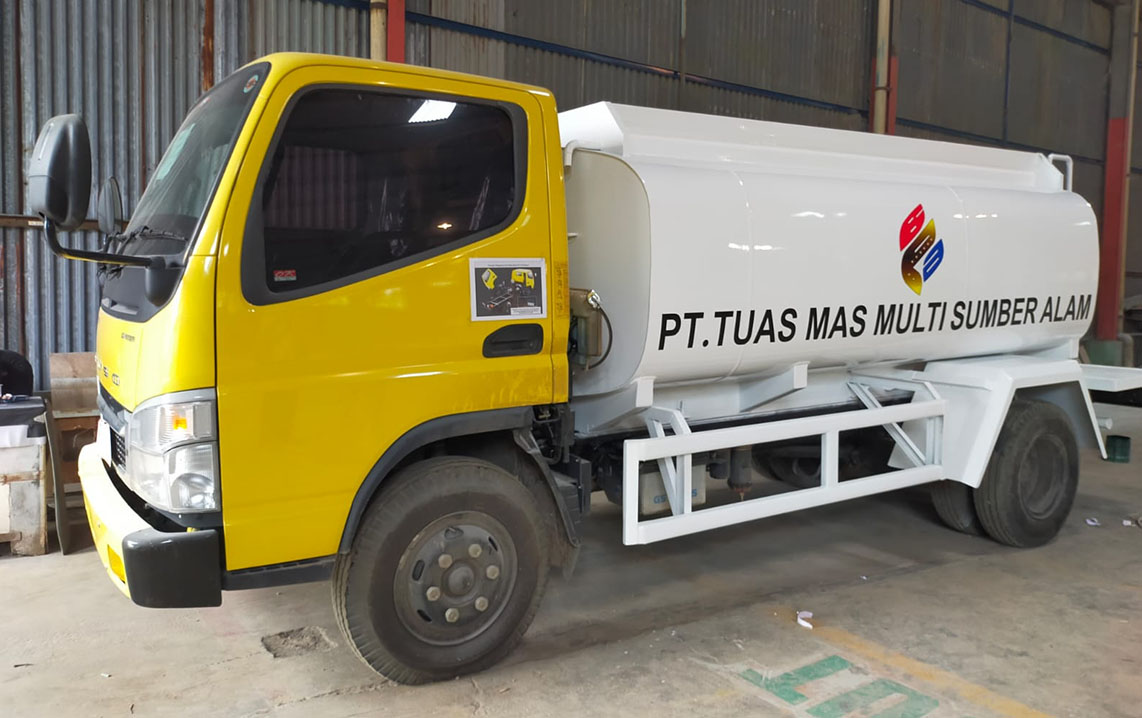
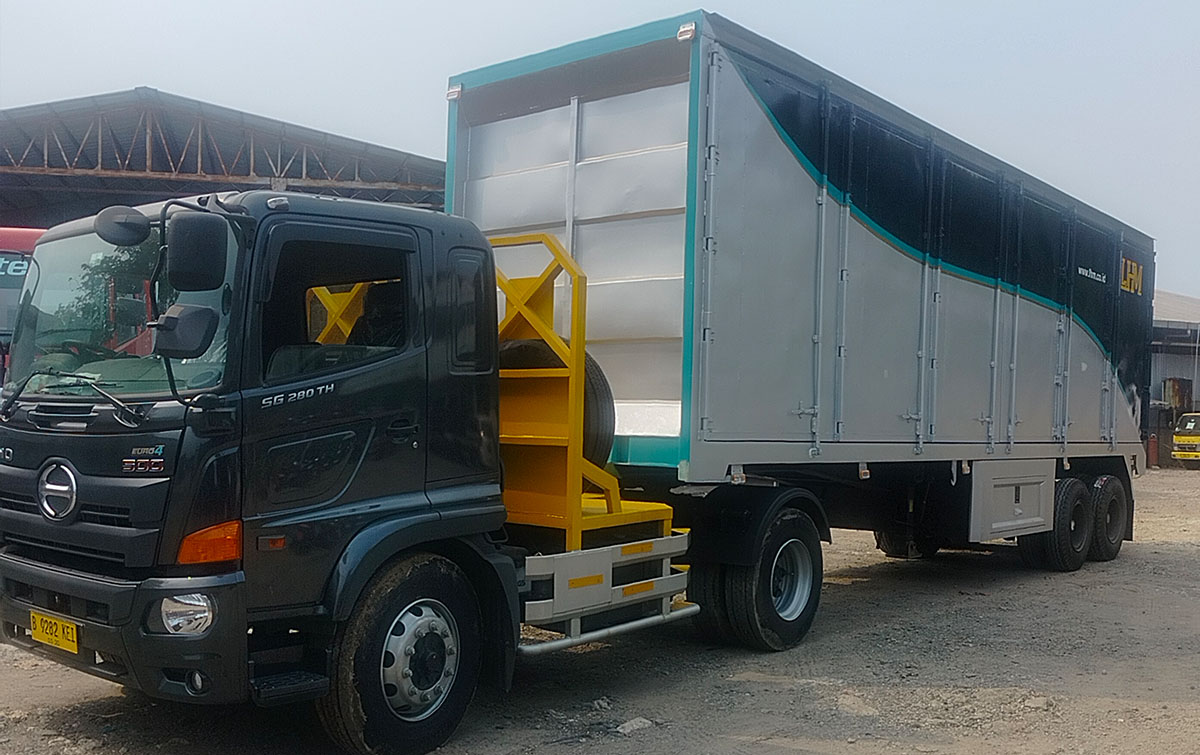
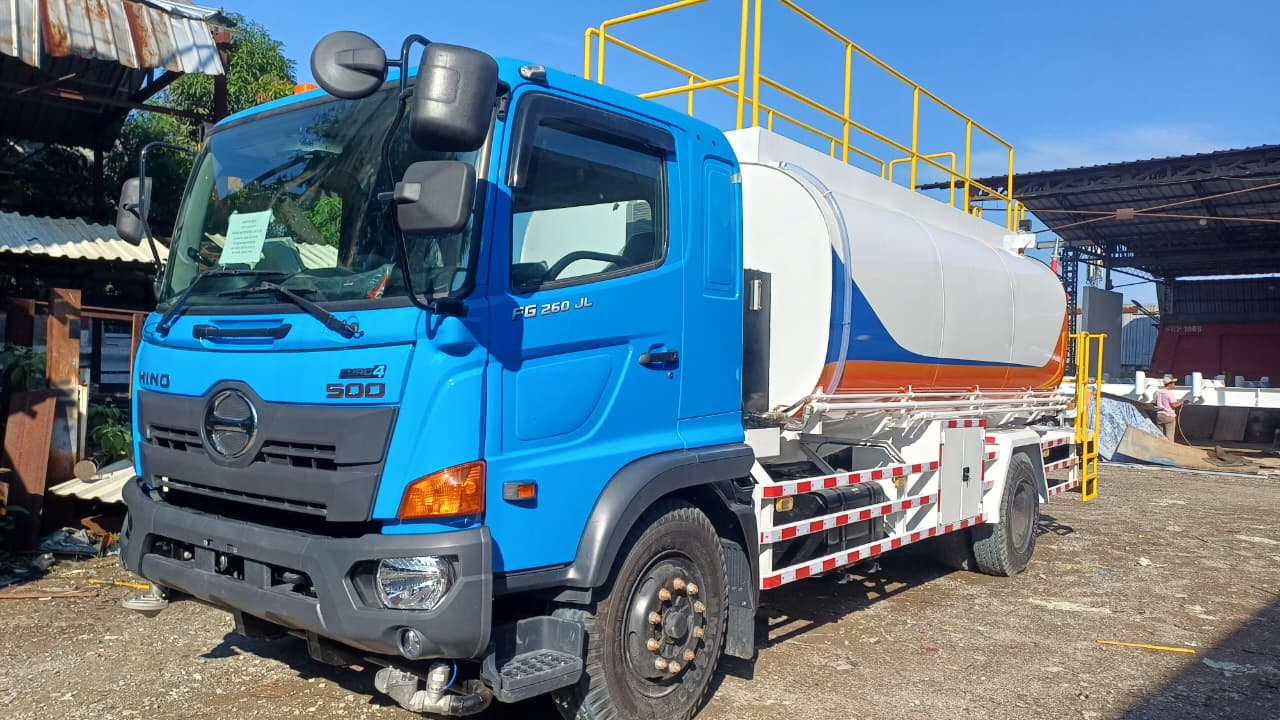
A stationary storage tank is intended to remain at a designated location for operational use. A transport tank, by contrast, forms part of a transportation system and must be configured for the vehicle and conditions in which it will operate.
PT SIS states that its CPO Tank products can be used for transportation or stationary storage, with customizable capacity and dimensions. This may be a relevant starting point for businesses evaluating tank requirements for applications suited to this product.
PT SIS also offers other product categories, including Water Tank products with customizable capacity and dimensions, and Vacuum Trucks designed for the suction, transport, and disposal of liquid waste. Product selection should be based on the actual application and technical requirements, not simply on similarities in tank appearance.
Steps to Prepare Your Storage Tank Requirements
Preparing key information before contacting a manufacturer can make the consultation more productive.
-
Identify the material to be stored and its relevant characteristics.
-
Estimate the required volume based on usage and filling frequency.
-
Decide whether the tank will be stationary or used for transportation.
-
Identify the installation conditions, available space, and filling and discharge requirements.
-
Prepare relevant technical requirements, reference drawings if available, and operational details.
-
Discuss the requirements with a manufacturer to evaluate suitable capacity, dimensions, configuration, and specifications.
Clear information helps the manufacturer understand the intended application before proposing a technical solution. Pricing, production lead time, materials, and final specifications should be confirmed directly because they are not established by the information available for this article.
Why Technical Consultation Matters Before Ordering
Choosing a tank based on capacity alone can overlook important operational requirements. The stored material, intended function, installation location, and operating method should be considered together so the selected design supports the intended use.
PT Sribaru Indah Sejahtera operates in engineered transport equipment manufacturing, steel construction, and fabrication. For tank requirements that align with its product range, businesses can discuss the intended capacity, dimensions, and application with the company before confirming the final specifications.
The 5 KL to 59 KL range can be used as an initial reference during planning. The availability of specific capacities, application suitability, and feasible configurations must be confirmed directly with PT SIS based on the actual requirements.
Planning a storage tank for your industrial operations?
Share your required capacity, the type of liquid or material to be stored, the intended location, and the purpose of the tank with PT Sribaru Indah Sejahtera. Our team can discuss your requirements in relation to the relevant product range and specifications that can be confirmed.
WhatsApp: 0823-1262-3763
Recent Posts