
How Long Does Custom Truck Body Manufacturing Take
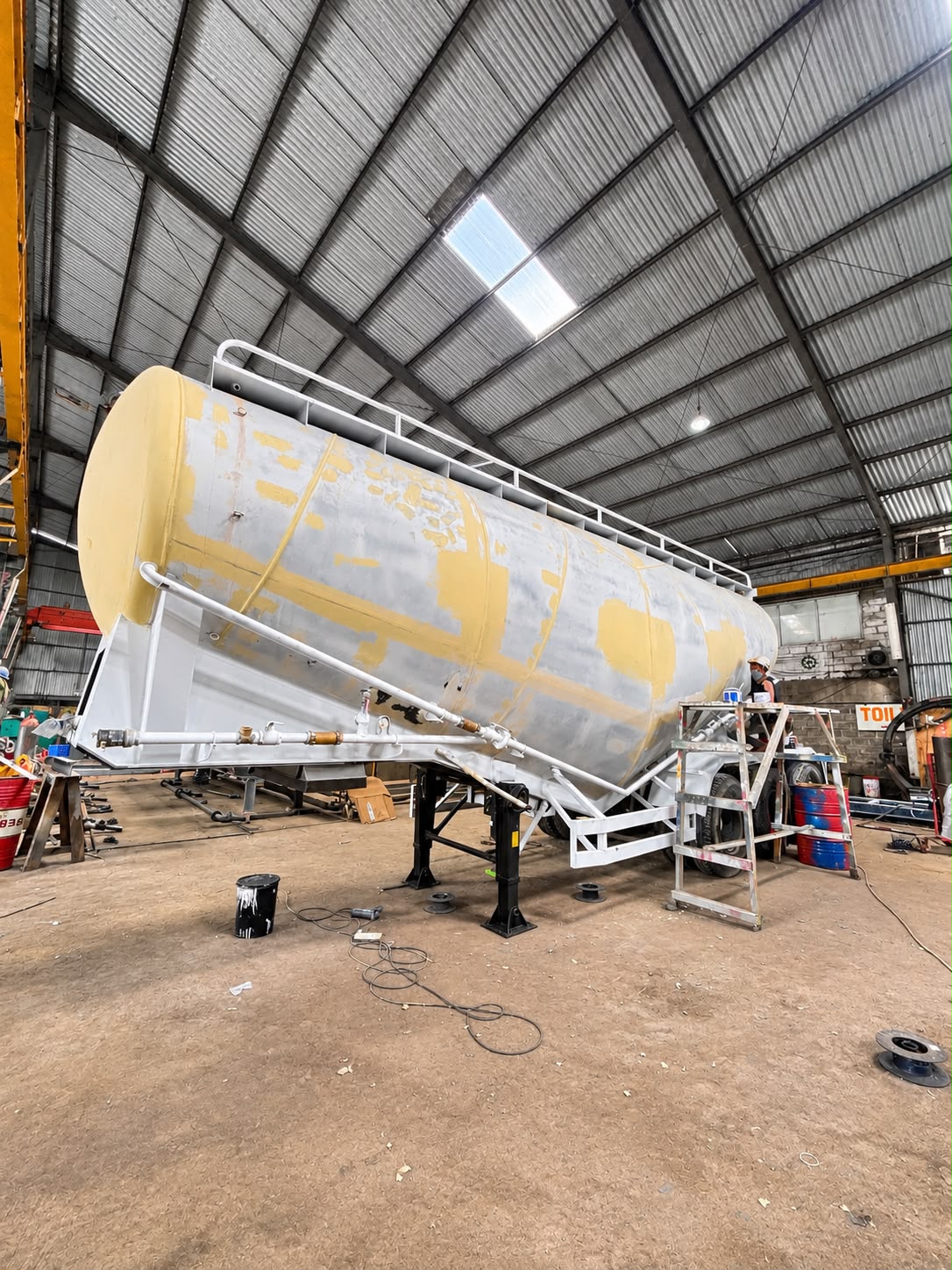
How long does it take to manufacture a custom truck body? This is an important question for companies planning to procure operational vehicles, especially when the units are required to meet a specific project schedule.
Unlike vehicles available directly from dealerships, custom truck bodies require a manufacturing process based on agreed requirements and specifications. The process may include consultation, engineering, design approval, material procurement, fabrication, quality control, and delivery.
At PT Sribaru Indah Sejahtera (PT SIS), we understand that schedule certainty is an important part of procurement planning. Prospective customers should therefore understand the manufacturing stages and the factors that may affect lead time before setting a completion target.
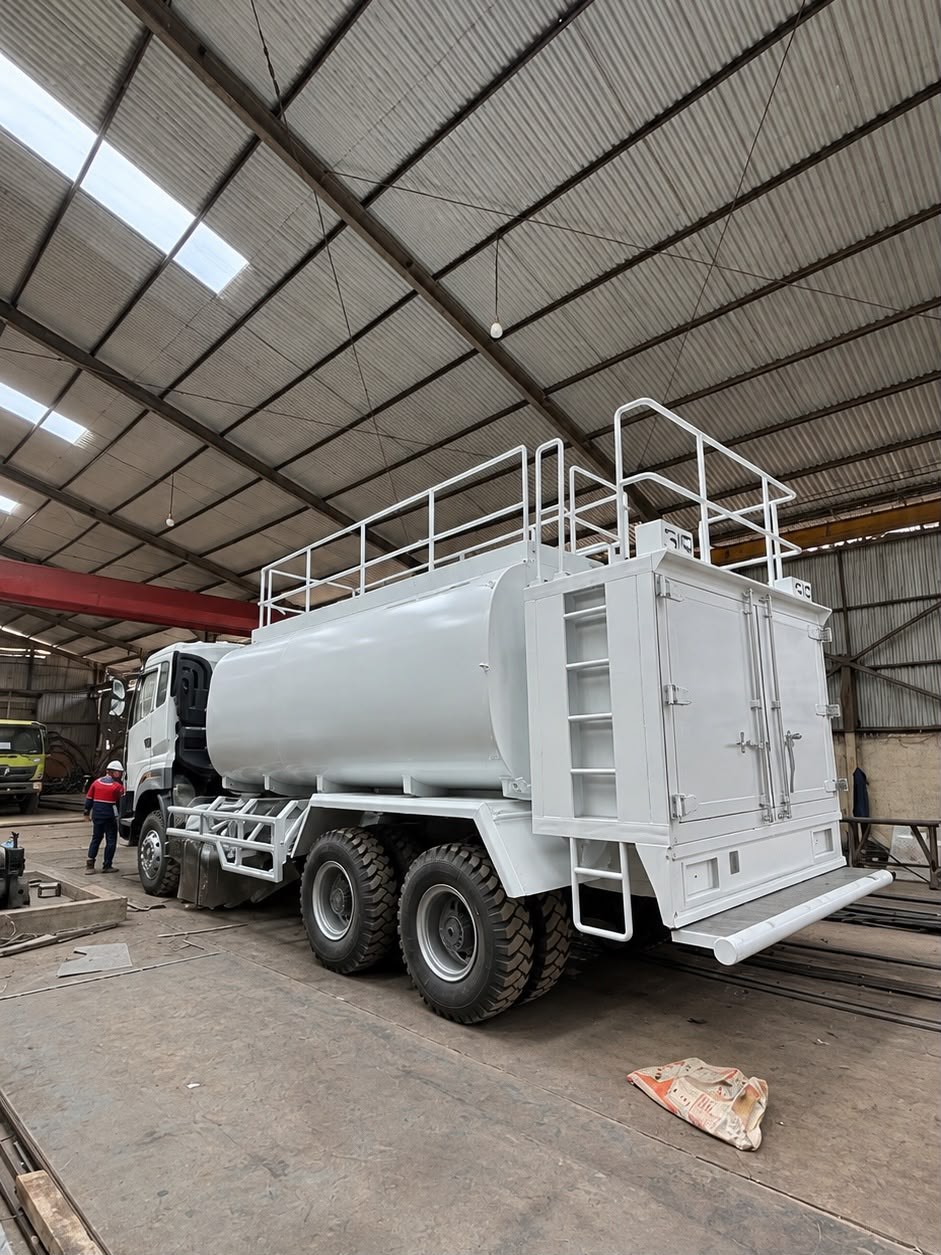
Is the Lead Time for Custom Truck Body Manufacturing Always the Same?
No. The manufacturing lead time can vary from one project to another. Differences in technical requirements, design complexity, and material availability can affect the overall schedule.
A relatively straightforward truck body does not necessarily require the same manufacturing time as a unit involving specialized designs and more complex technical adjustments.
For this reason, lead time should be discussed based on the actual project requirements rather than a general estimate. Information about the vehicle, intended application, capacity, dimensions, and special requirements should be provided during the initial consultation.
Stages of the Custom Truck Body Manufacturing Process
Understanding the manufacturing stages helps explain how the overall project schedule is determined.
1. Customer Requirements Consultation
The process begins by understanding the customer's operational requirements. Key information includes the vehicle type, chassis, intended application, capacity, dimensions, and operating conditions.
At this stage, we need to understand how the unit will be used so that the requirements can become the basis for technical planning.
Providing complete information from the beginning helps make the requirements discussion and initial design planning more efficient.
2. Engineering and Technical Planning
Once the requirements are understood, the next stage is engineering. Customer requirements are translated into a technical design that considers functionality, dimensions, vehicle configuration, and manufacturing requirements.
Engineering is an important stage because incomplete designs or ongoing changes may affect subsequent activities. Complete technical information from the beginning helps the evaluation process and reduces unnecessary revisions.
3. Design Approval
Before manufacturing proceeds, the design and specifications that form the basis of production need to be reviewed and agreed upon by the relevant parties.
Design approval helps ensure that customer requirements have been properly understood. Changes made after approval may require further evaluation, drawing revisions, and adjustments to the manufacturing plan. Customers should therefore review the design details and specifications carefully before providing approval.
4. Material Procurement
Material availability is one of the factors that can affect the manufacturing schedule. Materials must meet the design and project specifications.
If certain materials or components require special procurement arrangements, their availability may affect the readiness of fabrication work. Planning material requirements early helps reduce the risk of delays caused by unavailable materials.
5. Fabrication and Assembly
Once the technical requirements have been agreed upon and materials are available according to plan, the project can proceed to fabrication.
Fabrication activities may include material preparation, cutting, forming, joining, and assembly according to the project design. The actual work depends on the ordered body design and configuration. Construction complexity, component quantities, and technical adjustments can affect the time required for this stage.
6. Quality Control (QC)
After fabrication and assembly, the unit needs to undergo quality inspections according to the project requirements and acceptance criteria.
These inspections are intended to ensure that the completed work meets the agreed design and specifications. If any discrepancies are identified, corrective actions may be required before the unit proceeds to the next stage. QC should therefore be included in the overall schedule rather than treated as an additional activity that can be overlooked.
7. Finalization and Delivery
Once manufacturing and inspection activities have been completed, the unit is prepared for handover to the customer.
Finalization may include outstanding work, final inspections, and administrative or delivery arrangements according to the project agreement. The delivery schedule should consider unit readiness and handover arrangements to support the customer's procurement plan.
Factors That Affect Custom Truck Body Manufacturing Lead Time
In addition to the manufacturing stages, several factors should be considered when estimating the project duration.
1. Design Complexity
Designs involving more complex construction and configurations may require additional engineering discussions and manufacturing work compared with simpler designs.
2. Specification Completeness
Information about the chassis, capacity, dimensions, intended application, and special requirements should be clearly provided. Incomplete information may extend the clarification and technical planning process.
3. Design Changes
Changes made after design approval may affect engineering drawings, material requirements, and previously planned work. The impact depends on the nature and timing of the changes.
4. Material and Component Availability
Materials or components that are not available when required may affect work readiness. Procurement requirements should therefore be considered during schedule planning.
5. Fabrication Complexity
Each truck body type has different manufacturing requirements. Component quantities, construction shapes, and vehicle-specific adjustments can affect fabrication and assembly time.
6. Inspection and Approval
Inspection of completed work and approval by the relevant parties should also be included in the schedule. If discrepancies are identified or revisions are required, the completion schedule may need to be adjusted.
How Can You Obtain a More Accurate Lead Time Estimate?
Customers should not only ask how long production takes. Project requirements need to be shared so that the schedule can be discussed based on actual conditions.
Before consulting our team, prepare the following information:
| Information | Details to Prepare |
|---|---|
| Vehicle type | Chassis or vehicle model |
| Intended application | Operational requirements and type of work |
| Capacity | Required capacity |
| Dimensions | Required measurements or dimensional limits |
| Design | Technical drawings or design references, if available |
| Quantity | Number of units required |
| Target delivery | Expected unit availability date |
| Special requirements | Technical adjustments or additional requirements |
This information helps make the consultation more focused. Our team can better understand the project scope and discuss the manufacturing stages and schedule based on the requirements provided.
Why Is Lead Time Planning Important for Procurement?
In transportation and industrial operations, delays in equipment availability can affect a company's work schedule. Lead time planning should therefore be part of the procurement process from the beginning.
By understanding the manufacturing stages, customers can organize procurement schedules, prepare supporting requirements, and coordinate equipment availability with their project plans.
Clear communication between customers and truck body manufacturers also helps reduce misunderstandings about specifications, design changes, and completion targets.
Conclusion
The manufacturing lead time for custom truck bodies cannot be standardized across all projects. It depends on technical requirements, design complexity, engineering approval, material availability, fabrication, quality control, and delivery preparation.
At PT SIS, we understand that every procurement requirement comes with different targets and operating conditions. We encourage customers to discuss their requirements early so that the project scope and manufacturing schedule can be evaluated more accurately.
Planning to procure custom truck bodies for your company's operations?
Share your vehicle type, intended application, capacity, dimensions, required quantity, and target delivery date with PT Sribaru Indah Sejahtera. We are ready to discuss your project requirements as the basis for technical evaluation and manufacturing planning.
WhatsApp: 0823-1262-3763
Recent Posts