
Fuel Tank Truck: Understanding Fuel Tanks, Functions, and Vehicle Types
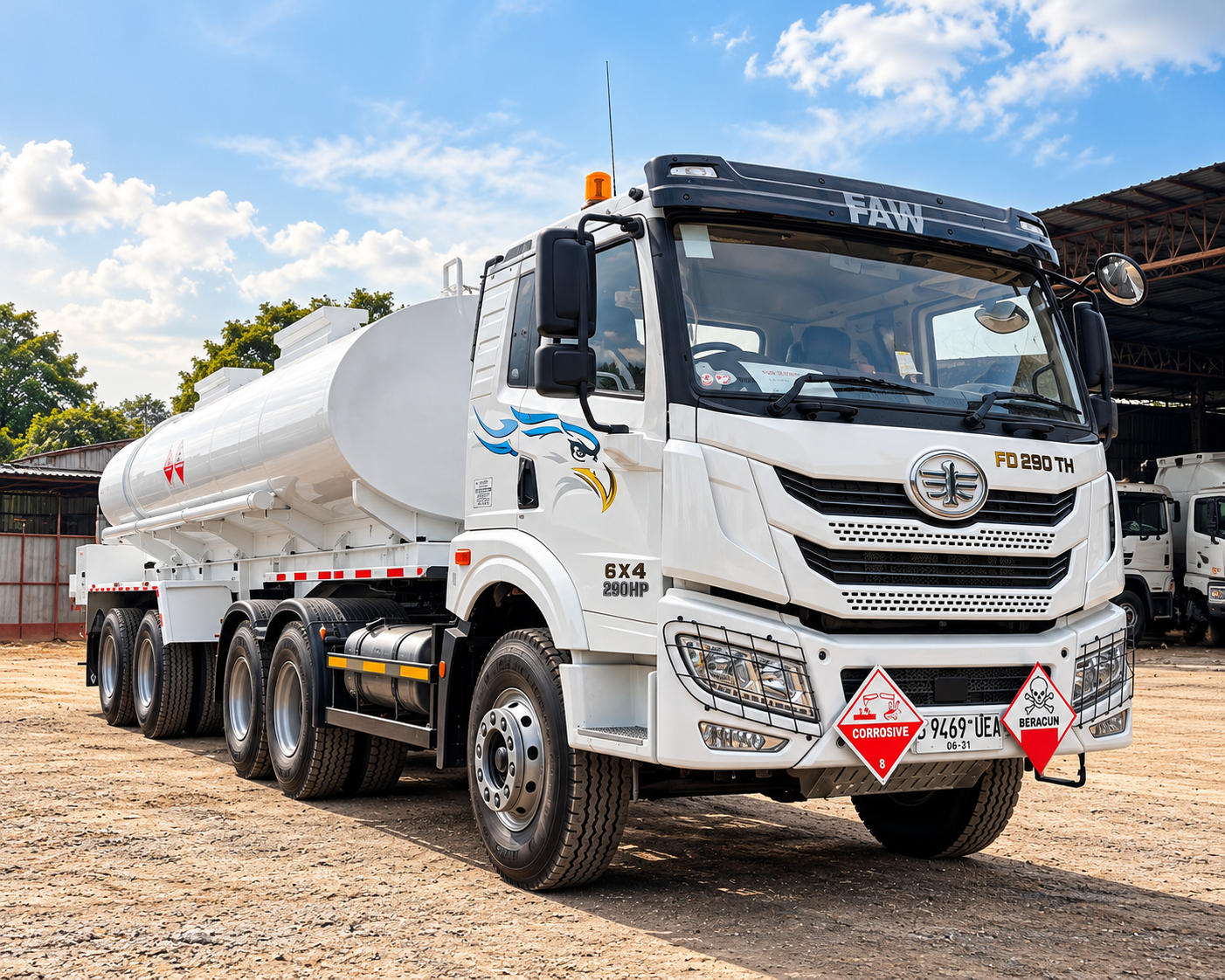
What Is a Fuel Tank Truck?
A fuel tank truck is a commercial transportation vehicle equipped with a tank designed to store and transport liquid fuels. Unlike conventional vehicle fuel tanks that supply fuel to an engine, a fuel tank truck carries fuel as its main transported cargo. These vehicles are commonly used to distribute diesel, gasoline, and other applicable liquid fuels between storage facilities and end-user locations.
In the transportation and manufacturing industries, fuel tank trucks are part of engineered transport equipment because their tank structures must be integrated with the vehicle chassis and operational requirements.
What Are the Main Functions of a Fuel Tank Truck?
Fuel tank trucks support several important activities in fuel distribution and industrial operations.
-
Fuel Distribution
Transporting fuel from storage terminals or depots to gas stations, industrial facilities, and commercial customers.
-
Industrial Fuel Supply
Supporting fuel requirements in sectors such as mining, manufacturing, plantations, and other industrial operations.
-
Fuel Transportation Between Locations
Moving liquid fuel using specialized vehicles equipped with appropriate loading and unloading systems.
-
Operational Supply Support
Helping businesses organize fuel deliveries according to transportation capacity and operational requirements.
Types of Vehicles Used for Fuel Transportation
Fuel tanks can be installed on different vehicle configurations depending on the required payload, operating environment, road conditions, and transportation requirements.
-
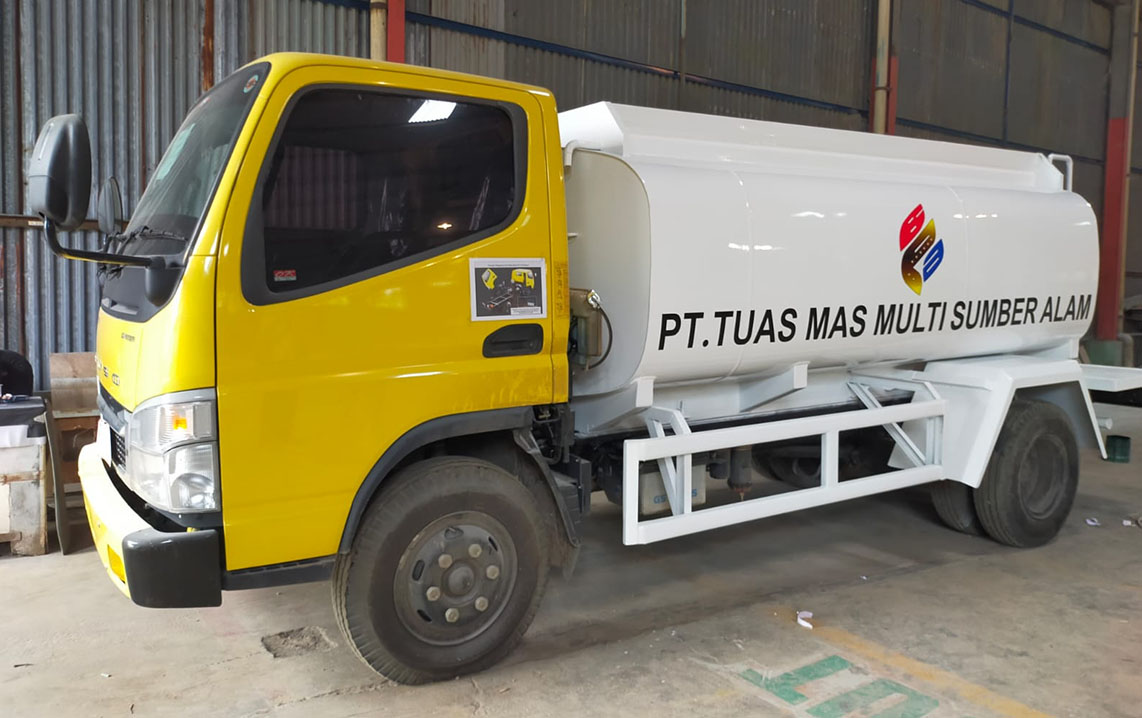
Light Duty Trucks
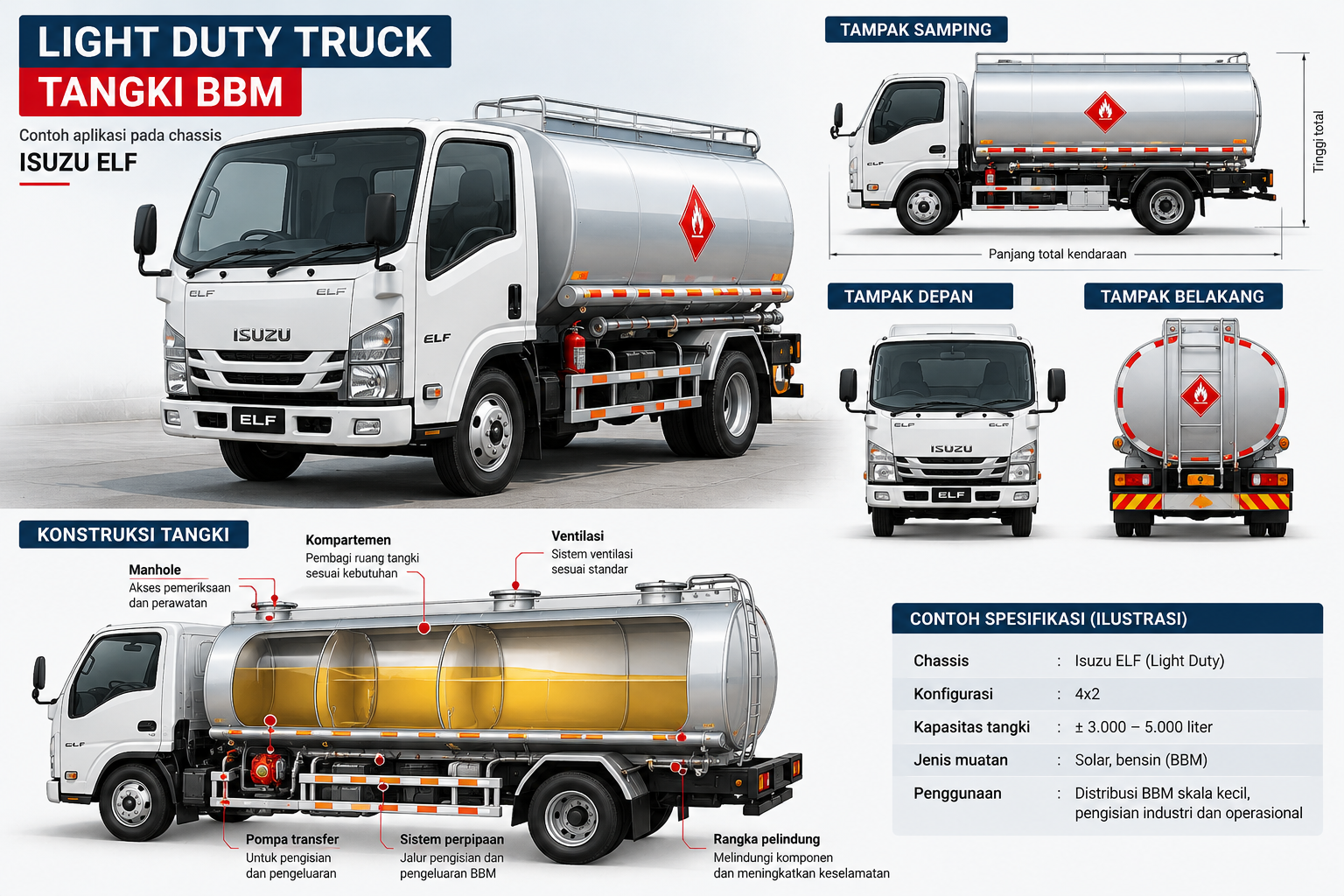
Light duty trucks are commercial vehicles in the lighter weight category. They may be considered for fuel transportation requirements involving relatively smaller payloads and specific local distribution operations.
-
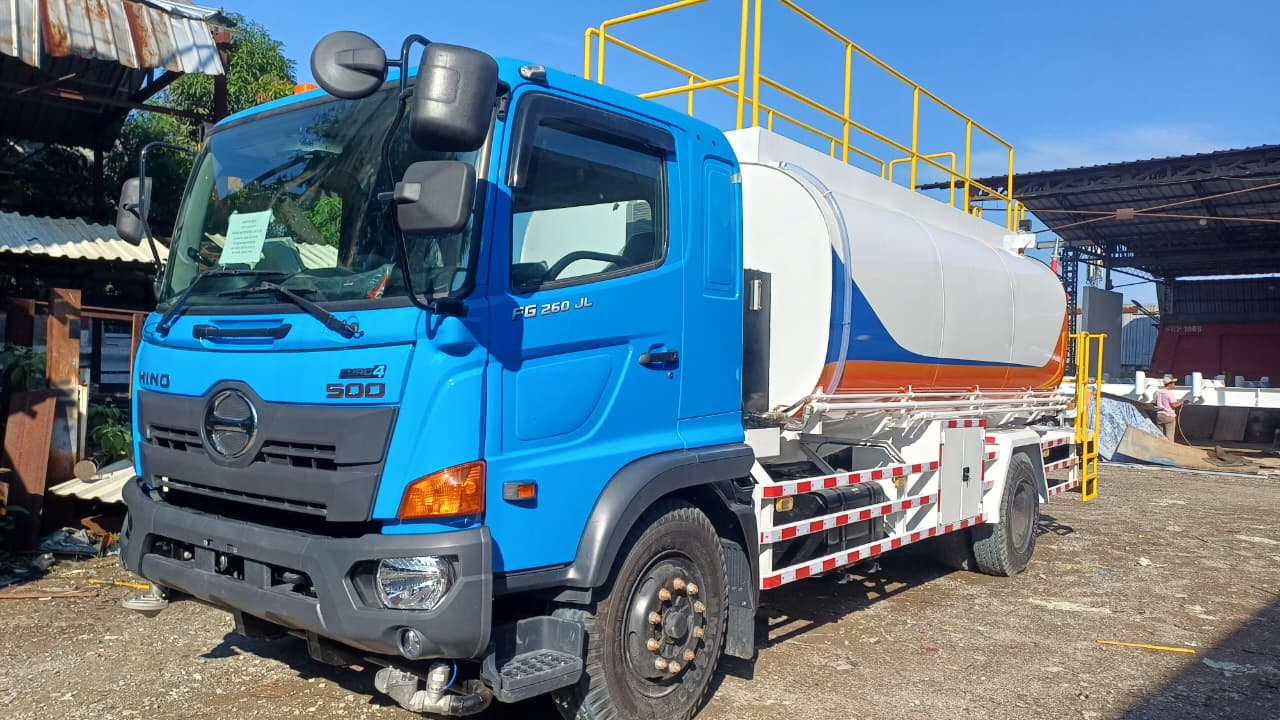
Medium Duty Trucks
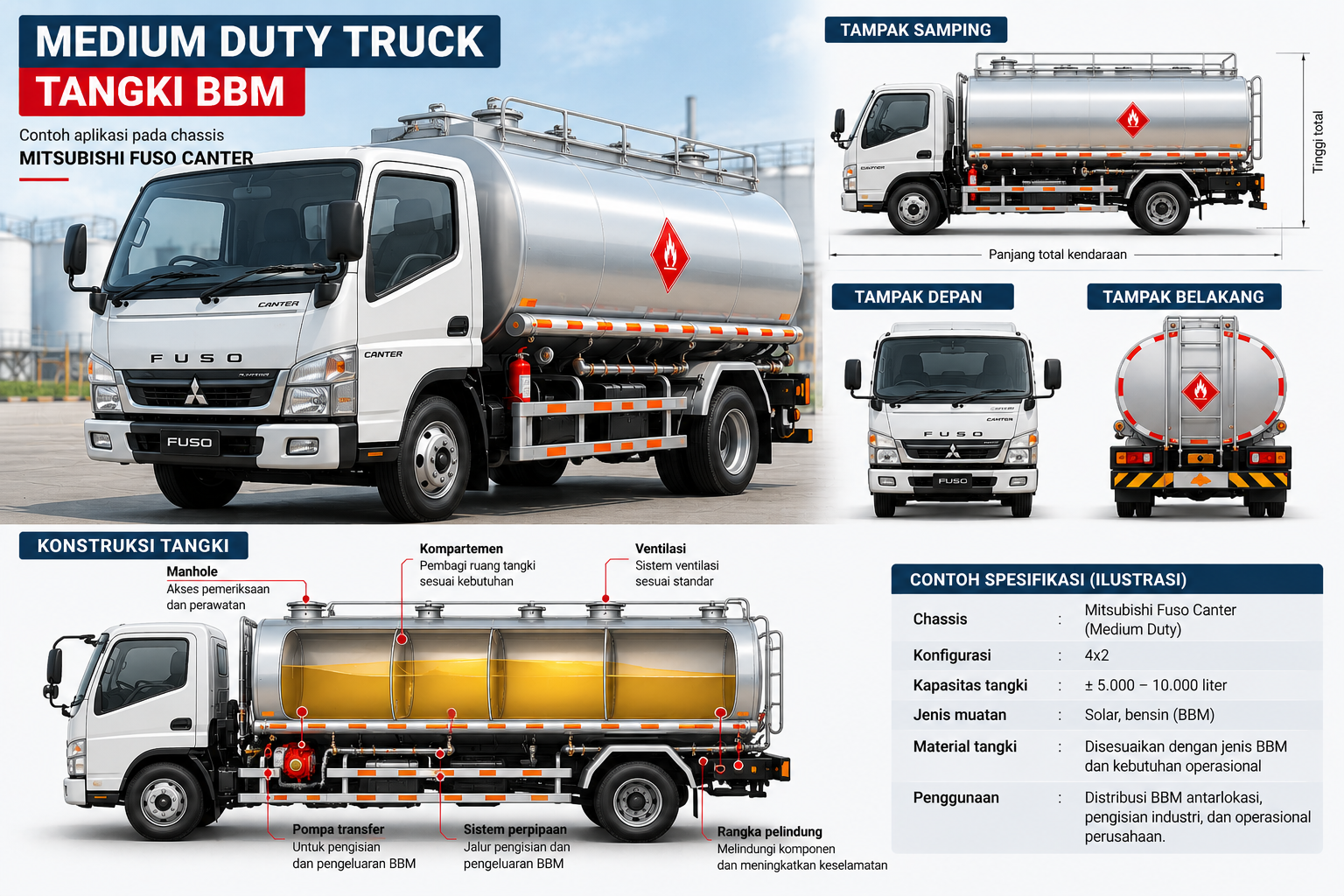
Medium duty trucks provide a vehicle platform for transportation requirements involving higher loads than light duty configurations. Their suitability depends on chassis specifications and applicable load limits.
-
Heavy Duty Trucks
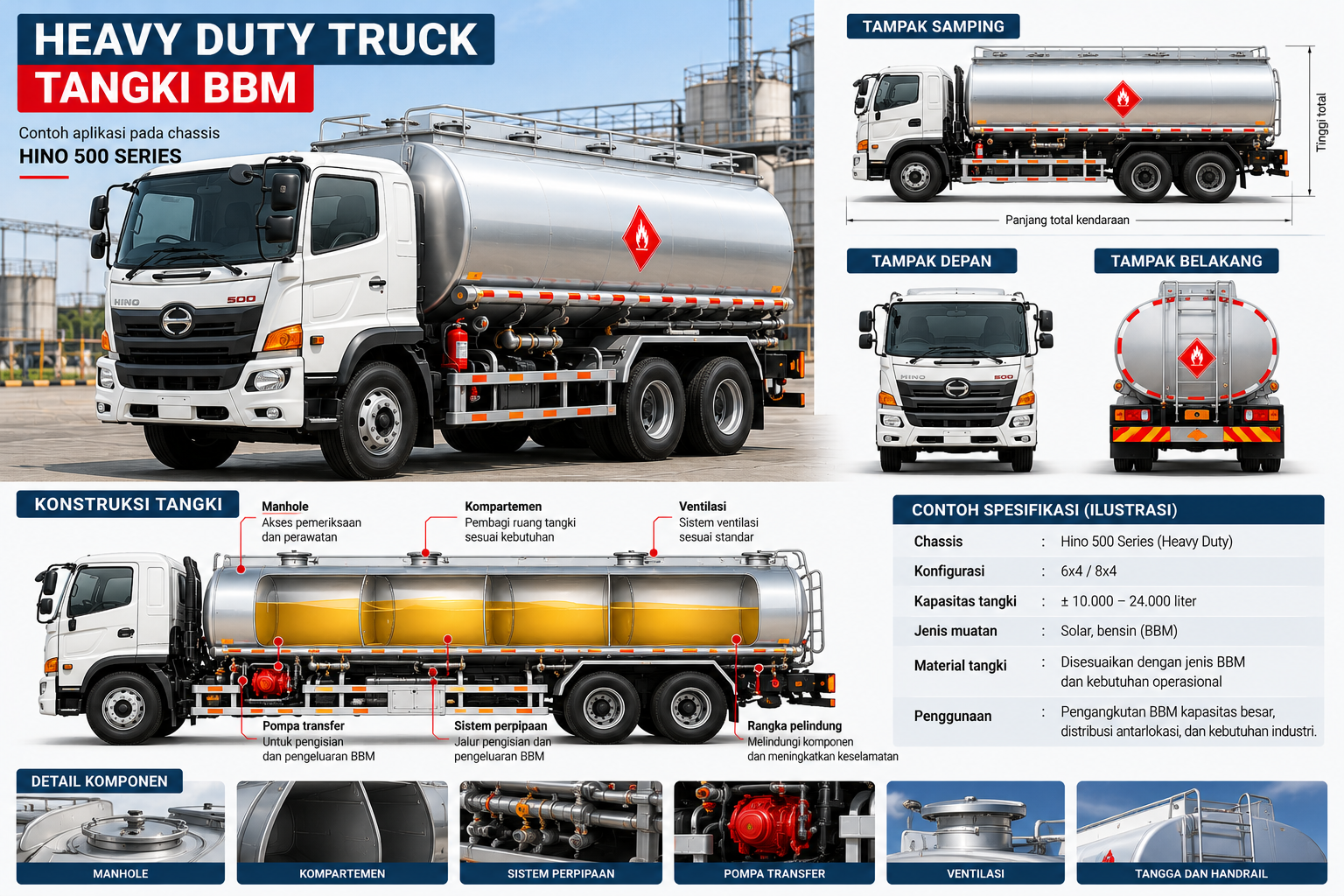
Heavy duty trucks are designed for more demanding transportation requirements. Their chassis capabilities, axle configurations, gross vehicle weight, and applicable transportation regulations must be evaluated before selecting a tank configuration.
-
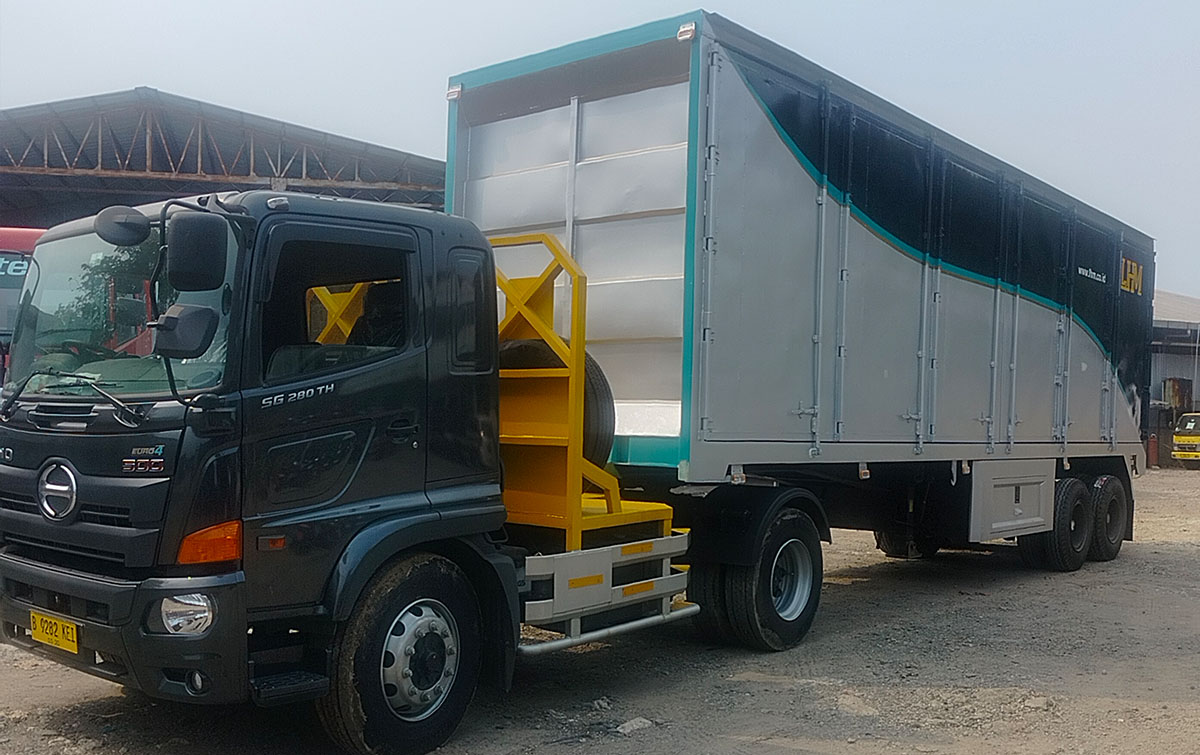
Fuel Tank Trailers
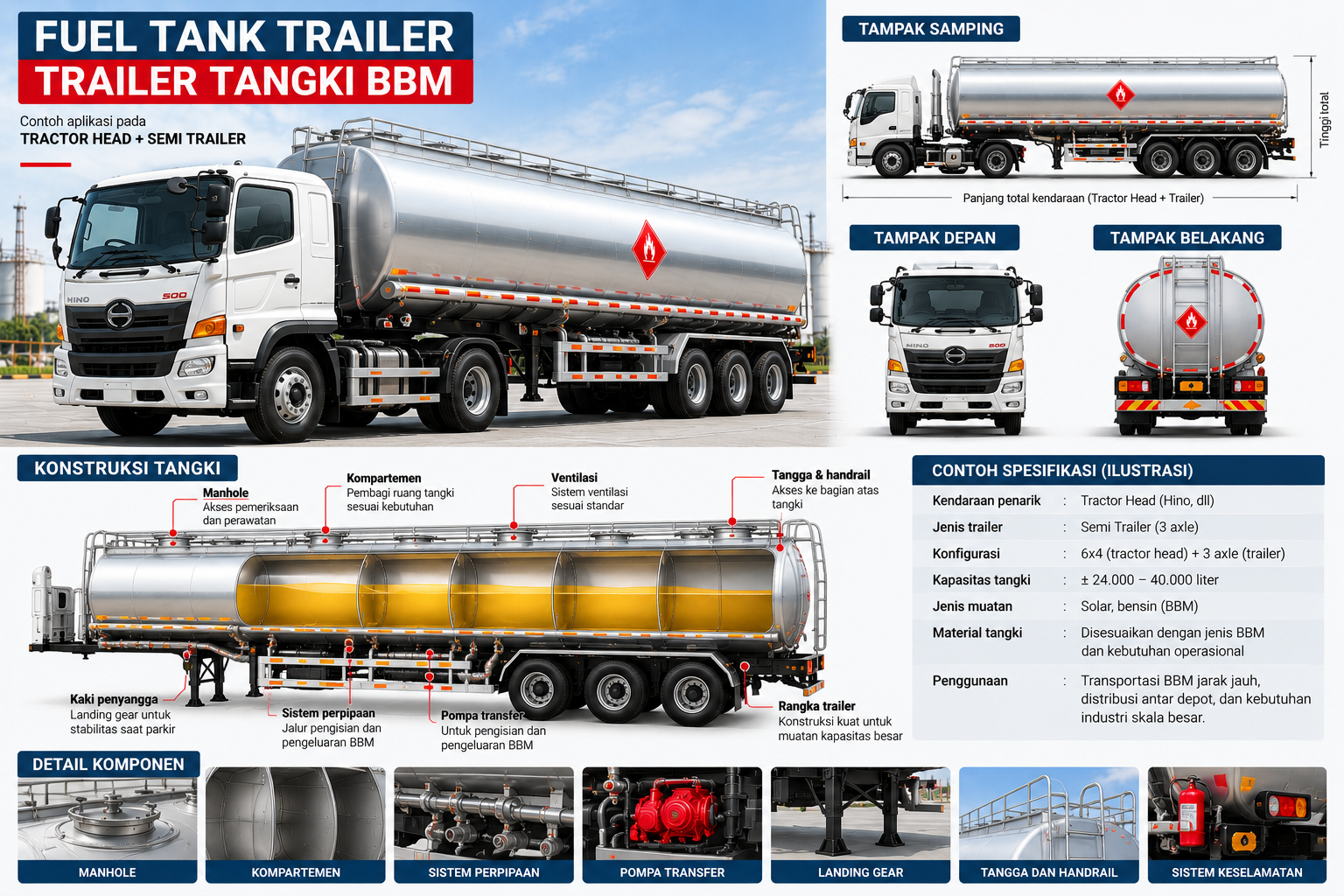
Fuel tank trailers are tank structures installed on trailers and pulled by tractor heads. This configuration can be considered for transportation operations requiring different payload arrangements and vehicle combinations.
Fuel Storage Tanks vs. Fuel Tank Trucks
The term fuel tank can refer to different types of equipment. Understanding the distinction helps businesses identify the correct product for their requirements.
-
Vehicle fuel tank: A tank installed in a vehicle to store fuel used by its engine.
-
Fuel tank truck: A commercial vehicle equipped with a larger tank designed to transport and distribute fuel.
A fuel tank truck is therefore classified as engineered transport equipment because its tank structure is integrated into a dedicated transportation vehicle.
Important Components of a Fuel Tank Truck
The design of a fuel tank truck involves several components that must be considered according to operational requirements and engineering specifications.
-
Tank body: The main structure used to contain liquid fuel.
-
Compartments: Internal divisions that separate the tank into multiple sections when required.
-
Manhole: An access point for tank inspection and maintenance.
-
Piping system: Used for fuel loading and unloading operations.
-
Transfer pump: Supports fuel transfer according to the selected system configuration.
-
Safety equipment: Components designed to support safe operation and fuel transportation in accordance with applicable requirements.
The configuration of these components depends on the transported fuel, tank capacity, operating requirements, and relevant safety standards.
How to Select the Right Fuel Tank Truck?
Before selecting a fuel transportation vehicle, businesses should evaluate several important technical considerations.
-
Tank Capacity
Determine the required transportation volume based on fuel demand, delivery frequency, and operational requirements.
-
Chassis Capability
Ensure the vehicle chassis can support the combined weight of the tank structure, equipment, and transported fuel.
-
Vehicle Configuration
Consider vehicle classification, axle arrangement, and the road conditions where the vehicle will operate.
-
Tank Construction Design
Evaluate the tank shape, compartment arrangement, piping system, and maintenance access requirements.
-
Operational Safety
Ensure that the vehicle design and supporting equipment comply with relevant fuel transportation safety requirements and regulations.
The Role of Manufacturing in Fuel Tank Truck Production
Fuel tank truck manufacturing requires coordination between tank design and vehicle configuration. The manufacturing process must consider not only the tank structure but also its compatibility with the chassis and intended operating conditions.
We understand that industrial transportation requirements vary between businesses. Therefore, engineered transport equipment planning must consider capacity, dimensions, vehicle configuration, and the intended application.
Through our expertise in truck body manufacturing, tank body solutions, steel construction, and fabrication, we focus on providing manufacturing solutions based on customer requirements.
Looking for manufacturing solutions for fuel transportation vehicles or industrial tank equipment?
Discuss your truck body, tank body, and fabrication requirements with PT Sribaru Indah Sejahtera.
Recent Posts