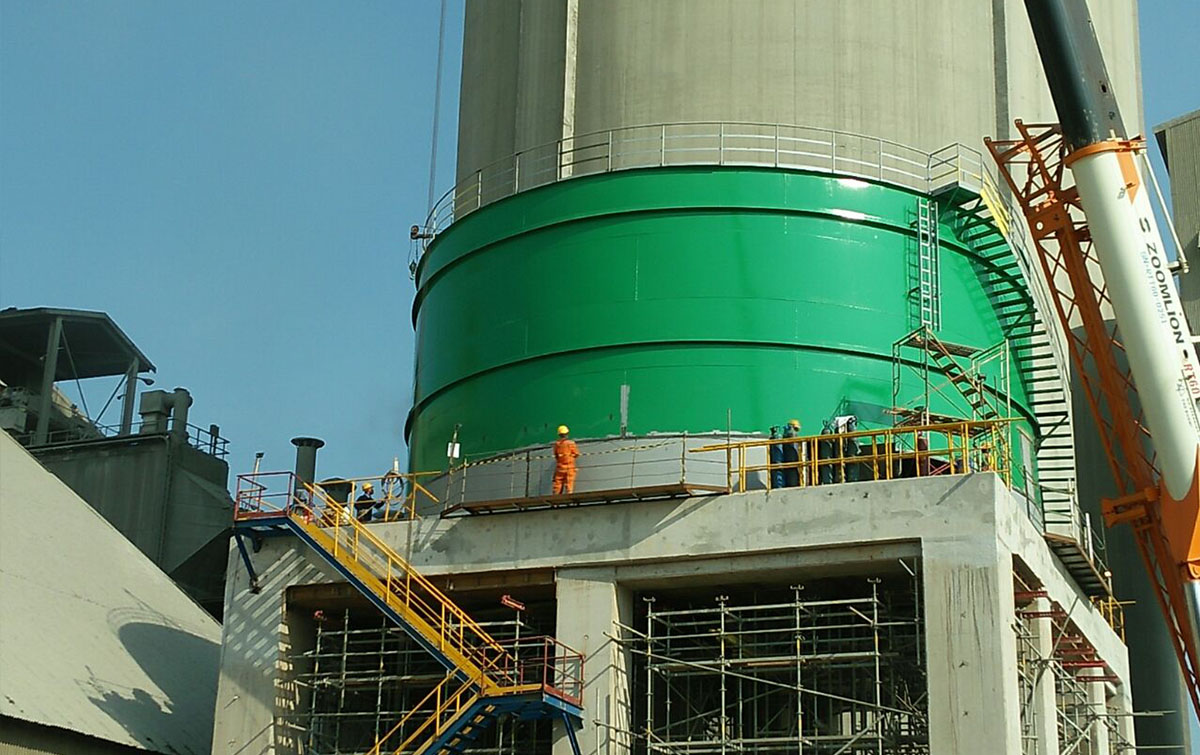

Why Your Tank Needs Anti Corrosion Protection Before It’s Too Late
Corrosion is one of the most common yet underestimated threats in the industrial world. Many operators focus on capacity, durability, or speed of operation, but forget that the longevity of a tank often depends on one invisible factor: its ability to resist rust. Without proper anti corrosion protection, even the strongest steel eventually weakens, leaks, and loses structural integrity. Understanding why anti corrosion measures matter is not only a technical necessity but a long term investment in safety, reliability, and efficiency.
The Hidden Enemy That Slowly Damages Your Tank
Corrosion begins long before it becomes visible. Moisture, chemical exposure, and temperature fluctuations slowly react with the metal surface. This chemical process eats away the tank’s structure from the inside or outside, creating microscopic weaknesses. Over time these weak spots grow into pitted surfaces, deep pores, or brittle sections that can no longer support operational pressure. Even a slight reduction in metal thickness can compromise the safety of fuel tanks, chemical tanks, water tanks, or bulk material containers. For industries that depend on uninterrupted operations such as mining, construction, logistics, and manufacturing, a corrosion related failure can become extremely costly. Leakage risks, frequent repairs, and operational downtime are only a few of the potential consequences. By acknowledging corrosion as an early stage threat, operators can prevent far more serious problems in the future.
How Anti Corrosion Coating Extends Structural Life
An effective anti corrosion layer acts as a barrier that separates metal from its reactive environment. Whether the tank is exposed to chemicals, water, abrasive materials, or fluctuating climates, this protective coating prevents direct contact and slows down oxidation. High quality coatings also help maintain internal hygiene in tanks carrying sensitive materials such as water or industrial chemicals. Moreover, anti corrosion treatments improve long term stability by reducing maintenance frequency. Tanks with proper coating require fewer inspections, fewer repairs, and fewer unplanned shutdowns. They also maintain structural strength much longer than uncoated tanks. As a result, the lifespan of the tank increases significantly and overall operational expenses become more manageable.
Operational Safety Starts with Corrosion Prevention
Every industrial tank is designed to handle pressure, load, and constant movement. When corrosion affects any part of the tank body, joints, or welds, the risk of failure increases. This is especially critical for tanks transporting fuel, oil, chemicals, or hazardous materials. A minor crack caused by rust can escalate into a dangerous leak that threatens workers and disrupts operations. Anti corrosion coating strengthens the tank’s outer and inner stability, ensuring that it can withstand environmental conditions and daily operational stress. It also helps maintain the integrity of welded joints and prevents gradual weakening of structural components. With proper protection in place, companies can ensure a safer working environment and maintain compliance with industrial safety standards.
Why Choosing a Quality Manufacturer Makes the Difference
Not all tanks are created equal. The effectiveness of anti corrosion protection depends heavily on manufacturing precision, coating selection, and quality control processes. PT Sribaru Indah Sejahtera delivers tanks that are engineered with these standards in mind. Each unit is produced by skilled technicians with years of experience and goes through multiple inspection stages to ensure coating adhesion, thickness accuracy, and overall durability. Beyond production quality, PT Sribaru Indah Sejahtera offers reliable after sales service that helps customers maintain their tanks throughout their operational lifecycle. From routine inspection support to technical troubleshooting, the team ensures that every tank continues to perform at its best. This ongoing service provides companies with peace of mind, knowing that their investment is protected long after the unit is delivered.
Recent Posts