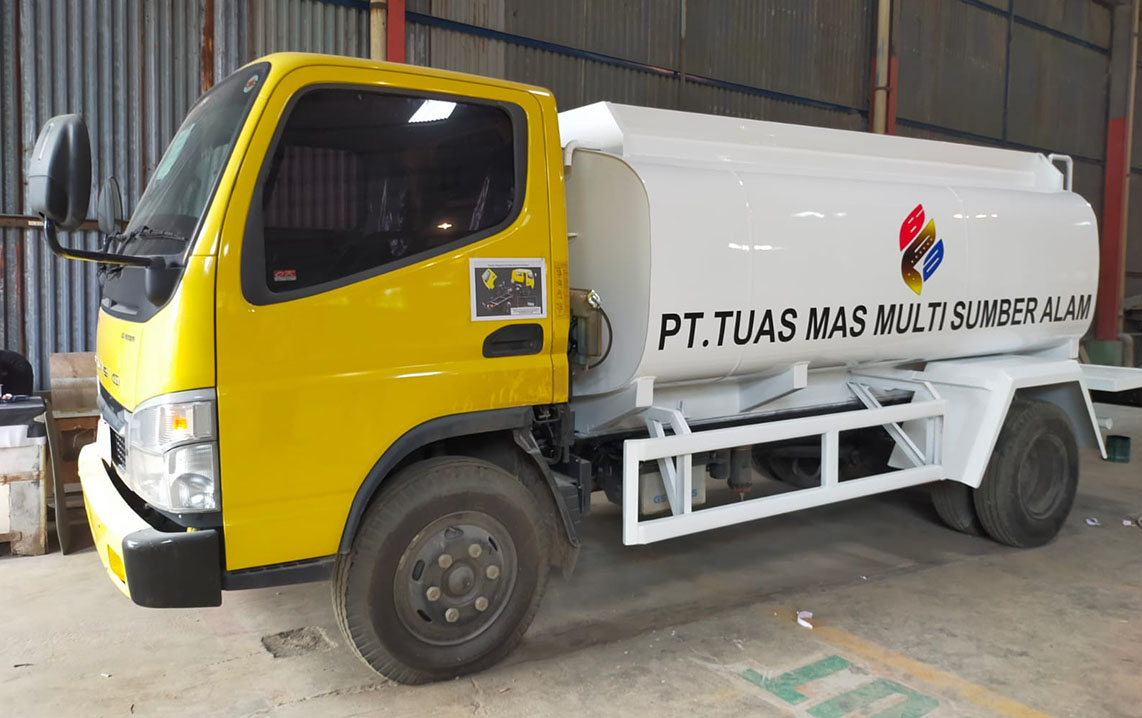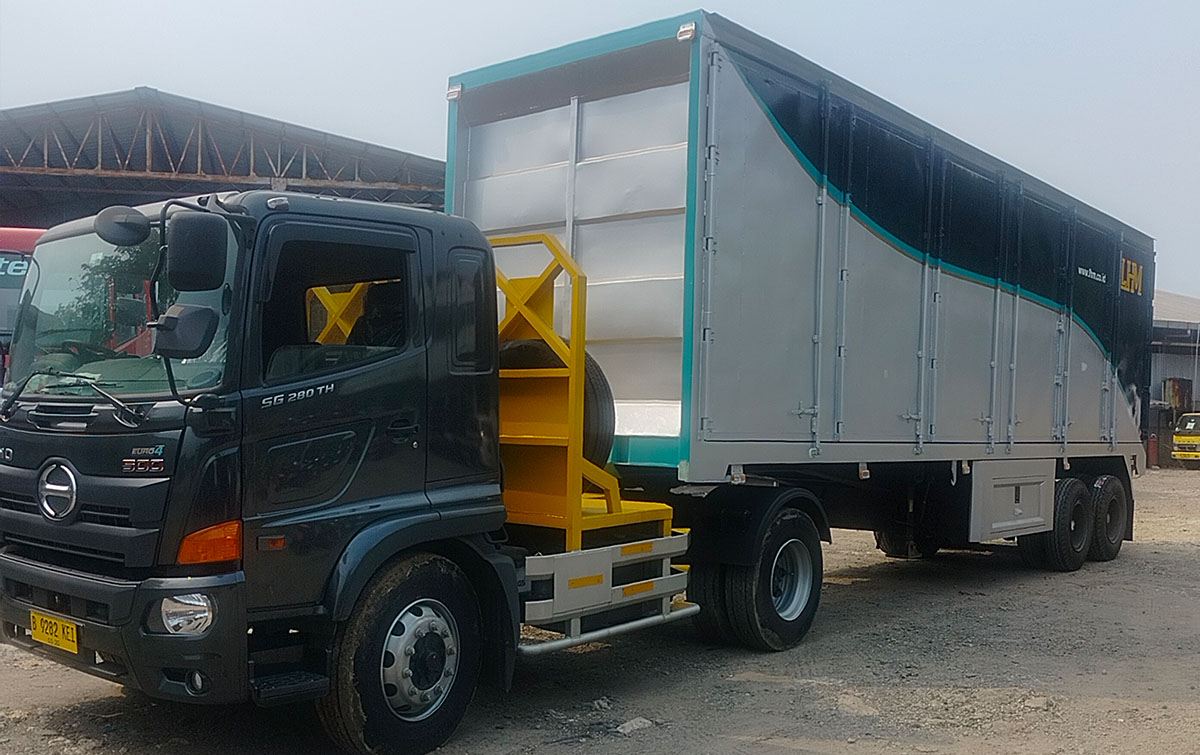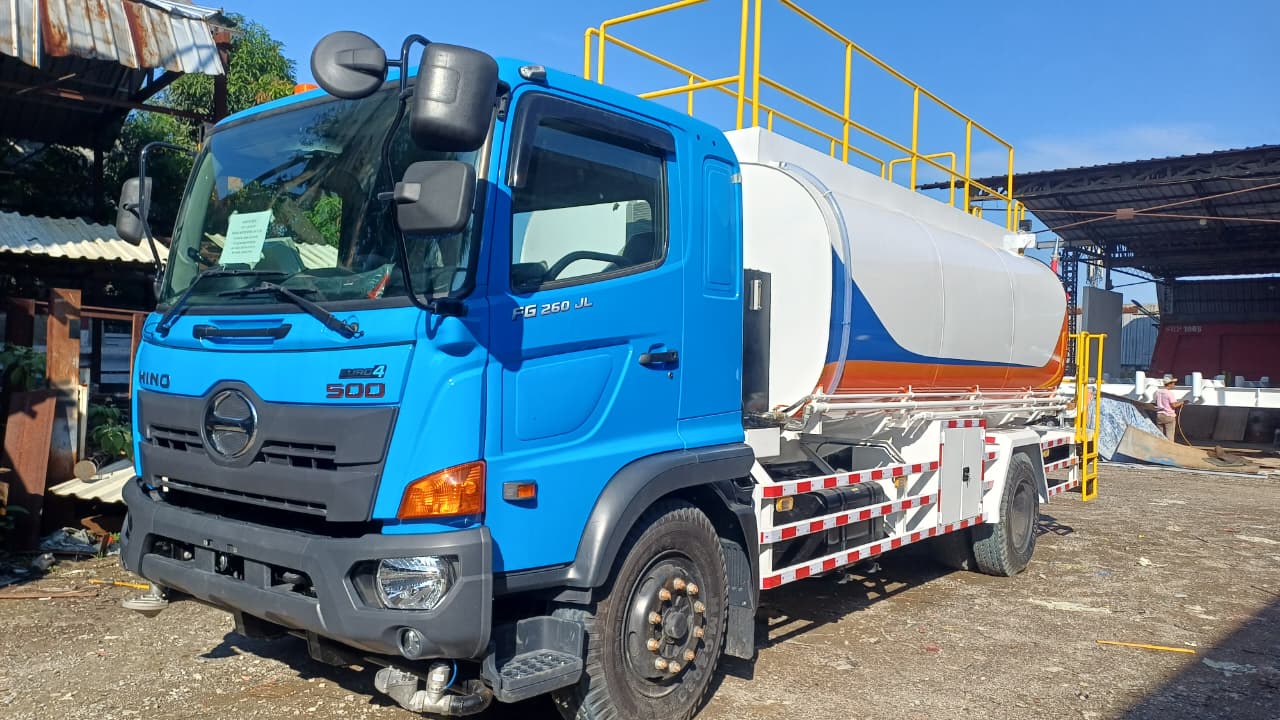

16 KL Fuel Tank for PT Intraco Dharma Ekatama: PT Sribaru Indah Sejahteras Project Achievement
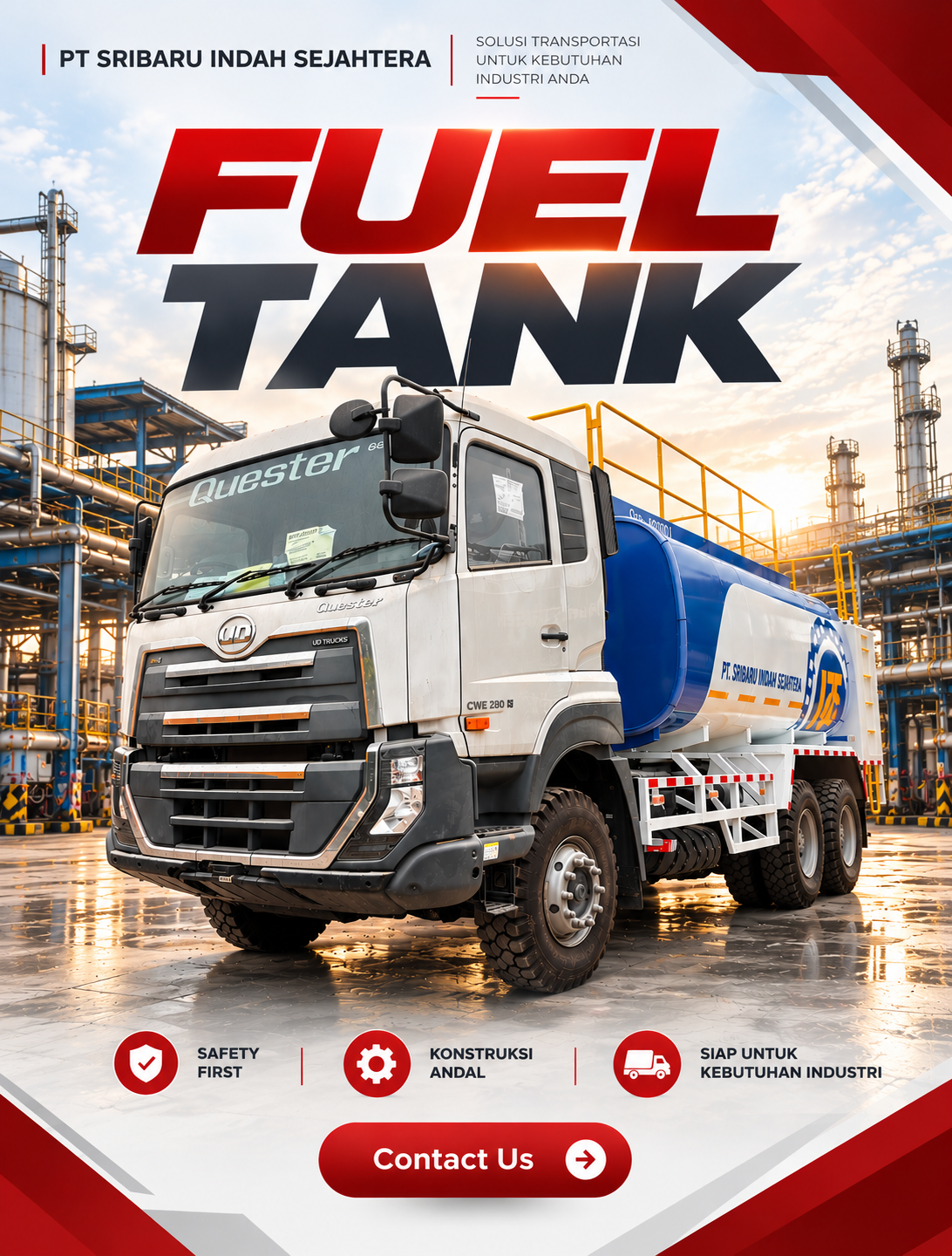
Fuel tank manufacturing requires careful planning, organized execution, and attention to the quality of the finished work. Capacity is only one consideration. Design suitability, vehicle configuration, operational requirements, and applicable technical requirements are also important parts of a project.
PT Sribaru Indah Sejahtera (PT SIS) undertook a 16 KL Fuel Tank project for PT Intraco Dharma Ekatama. The project forms part of PT SIS's work portfolio and illustrates the importance of maintaining workmanship quality and meeting agreed timelines when supporting industrial customers.
The 16 KL Fuel Tank Project for PT Intraco Dharma Ekatama
Every fabrication project has requirements and targets that need to be considered from the beginning. For a fuel tank, capacity planning and configuration need to align with the manufacturing process so the result can meet the defined project requirements.
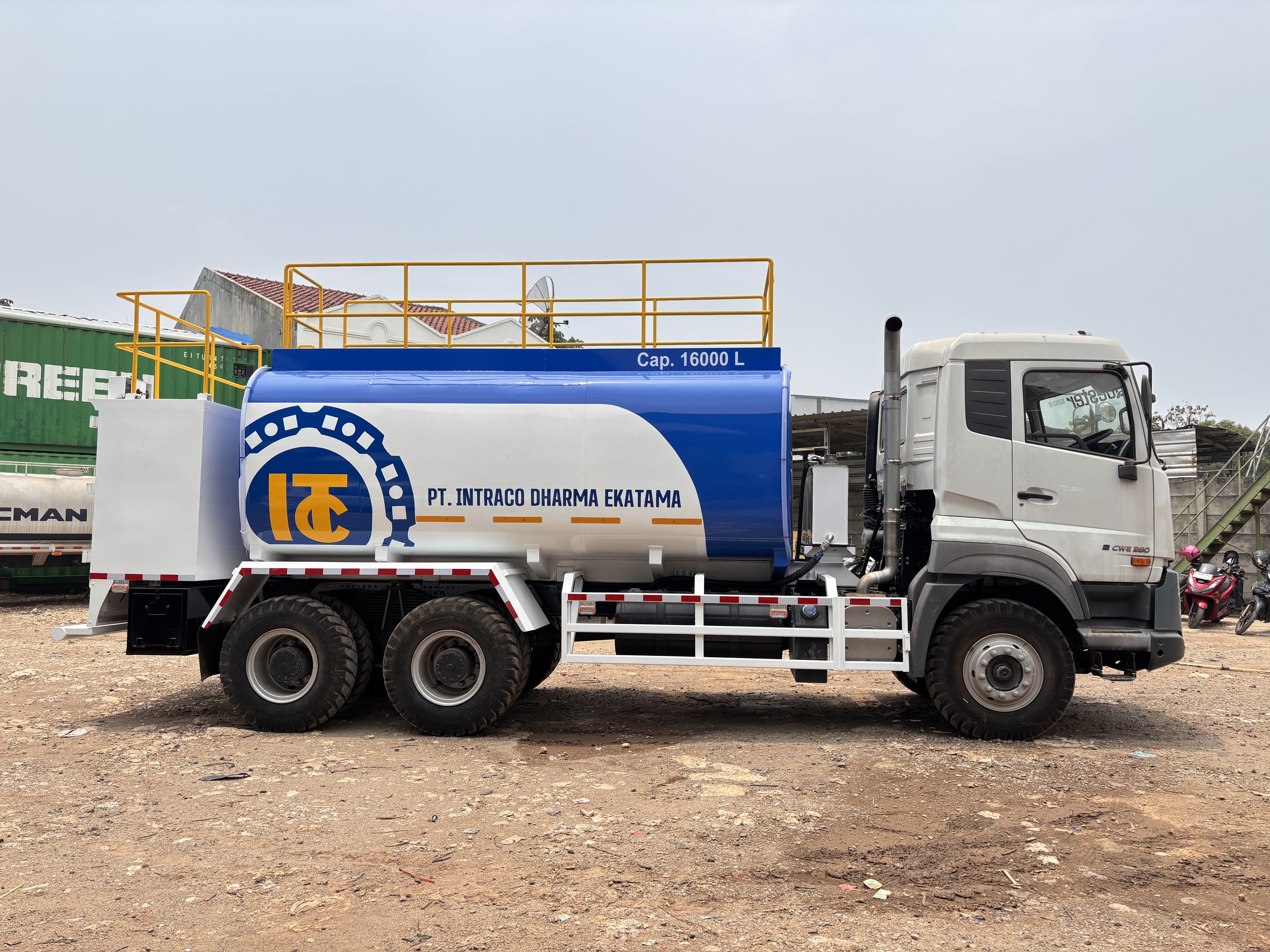
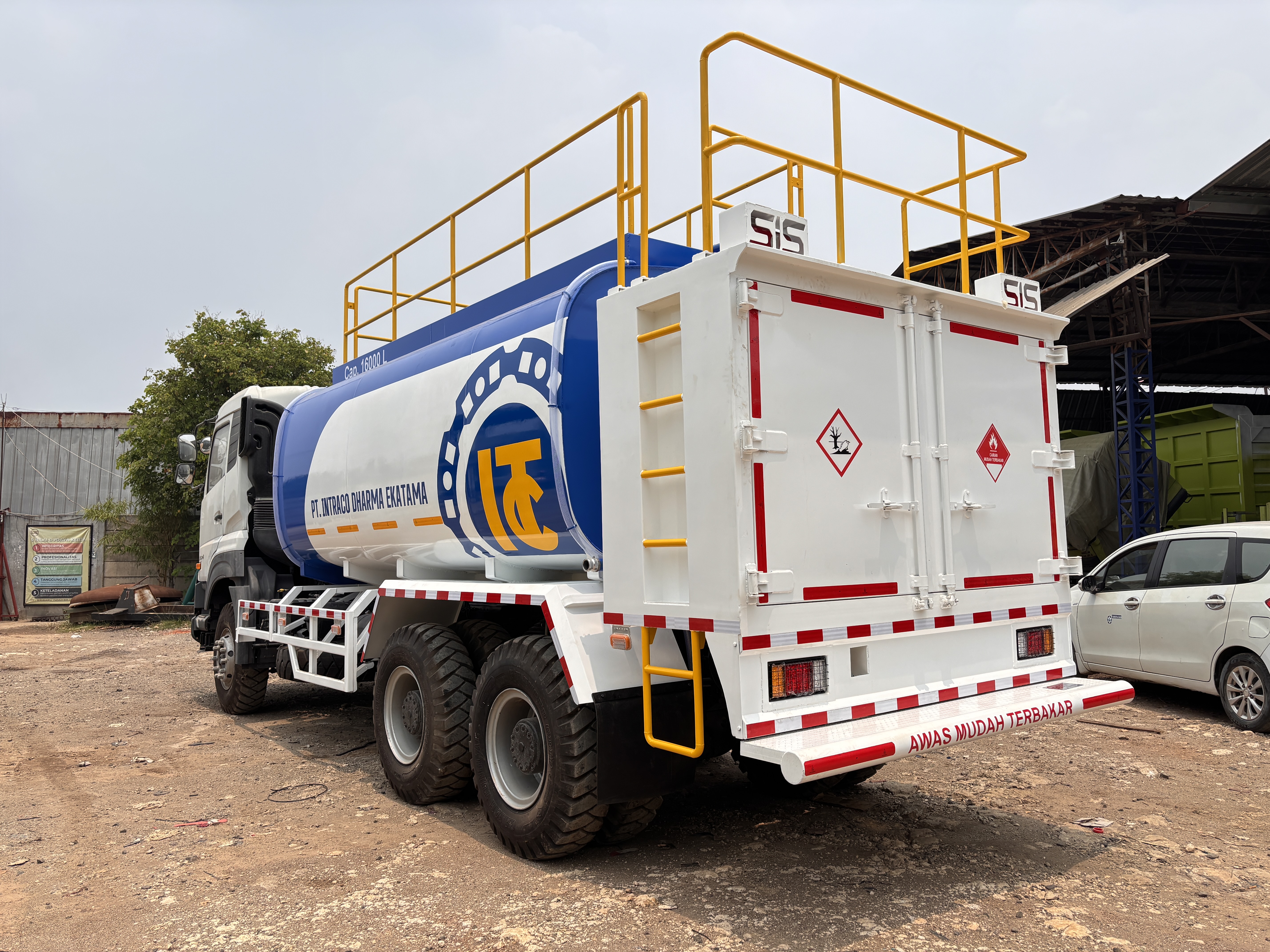
PT SIS undertook a 16 KL Fuel Tank project for PT Intraco Dharma Ekatama. With a nominal capacity of approximately 16,000 liters, the project is an example of PT SIS's work in engineered transport equipment and industrial fabrication.
The project highlights PT SIS's focus on completing work properly, maintaining the quality of the finished product, and paying attention to timely execution. For industrial customers, these factors matter because a project involves not only the final product but also the planning and coordination required throughout the work.
PT SIS's Commitment to Project Execution
Fabrication work requires coordination between customer requirements, technical planning, manufacturing activities, and inspection of the finished work. Each stage needs appropriate attention to help ensure that the project is completed according to its agreed scope and targets.
For the 16 KL Fuel Tank project for PT Intraco Dharma Ekatama, PT SIS focuses on proper execution, workmanship quality, and timely completion. These are important considerations when fulfilling the needs of industrial customers.
Timely completion is not simply about finishing as quickly as possible. Project schedules need to be managed alongside technical requirements and product quality. Careful planning and coordination throughout the manufacturing process are therefore important parts of project execution.
Quality must also be assessed against the project's specifications and applicable requirements. For a fuel tank, relevant technical inspections should follow the design, intended function, and applicable requirements. Specific inspection results for this project are not included because verified details have not been provided for publication.
Why Is Fuel Tank Capacity Planning Important?
Capacity is one of the main factors in determining a fuel tank configuration. The required capacity is often related to distribution volume, operating patterns, refueling requirements, and vehicle usage.
A 16 KL Fuel Tank has a nominal capacity of approximately 16,000 liters. However, nominal capacity alone is not enough to determine the appropriate physical dimensions or vehicle configuration.
Several factors should be considered:
-
Nominal tank capacity and operational requirements.
-
The type and characteristics of the fuel being transported.
-
Chassis selection, vehicle load limits, and axle load distribution.
-
Vehicle dimensions and applicable dimensional restrictions.
-
Compartment configuration, where required.
-
Loading and unloading systems, along with relevant safety requirements.
Because these factors are interconnected, two tanks with the same nominal capacity may not have identical dimensions or configurations. The design should be adapted to the vehicle, customer requirements, and applicable technical requirements.
Fuel Tank Capacity References and Common Configurations
Fuel tanks are available in various capacities across the industrial vehicle market. The appropriate option depends on vehicle type, distribution requirements, tank configuration, and relevant technical requirements.
The following capacities can be used as initial planning references based on product materials and related fuel tanker documents:
| Capacity reference | Nominal volume |
|---|---|
| 5 KL | 5,000 liters |
| 8 KL | 8,000 liters |
| 10 KL | 10,000 liters |
| 12 KL | 12,000 liters |
| 15 KL | 15,000 liters |
| 16 KL | 16,000 liters |
| 20 KL | 20,000 liters |
| 24 KL | 24,000 liters |
| 32 KL | 32,000 liters |
| 40 KL | 40,000 liters |
This list represents examples found in market materials and related documents. It is not a universal or exhaustive list of capacities approved for every vehicle or fuel tank application. The availability and suitability of each configuration must be verified against project requirements and applicable regulations.
For example, 16 KL and 20 KL configurations are also published in the Fuel Truck portfolio of an Indonesian industrial vehicle manufacturer. This indicates that 16 KL is one of the available capacity options for industrial fuel transportation.
In addition to total capacity, a tank may have different compartment configurations. Compartment arrangements should be planned according to distribution needs and applicable technical requirements rather than simply dividing the total volume into multiple sections.
Do All Fuel Tanks Follow the Same Dimensions?
Fuel tanks do not necessarily share the same physical dimensions, even when their nominal capacities are identical. Length, width, height, cross-sectional shape, and tank configuration may vary according to the design and vehicle used.
When planning a fuel tank, the term "size" may refer to several different aspects:
-
Nominal capacity, such as 16,000 liters.
-
Physical tank dimensions, including length, width, and height.
-
Overall vehicle dimensions after the tank is installed.
-
Internal compartment arrangements.
-
Technical and safety requirements related to the intended application.
A 16 KL capacity therefore does not automatically correspond to one universal length, width, and height for every chassis. Final dimensions must be calculated and evaluated according to the design, load limits, load distribution, and applicable technical requirements.
For tanks used to transport fuel, relevant vehicle, safety, and testing requirements must be considered during planning. The specific requirements should be verified based on the actual vehicle type and intended use.
Visit the PT SIS Workshop to Discuss Your Fabrication Requirements
Choosing a fabrication solution becomes more straightforward when prospective customers can discuss their project requirements directly. These discussions can begin with the tank type, capacity, vehicle, operational needs, and required specifications.
PT SIS welcomes prospective customers and business partners who wish to visit the workshop and discuss their fabrication requirements. A visit can provide an opportunity to discuss project scope, technical needs, and suitable configuration options.
To make the discussion more productive, prospective customers can prepare the following information:
-
The type of tank or equipment required.
-
The planned nominal capacity.
-
The chassis or vehicle type, if already selected.
-
The expected operational requirements and configuration.
-
Technical drawings or preliminary specifications, if available.
Having this information helps make the initial discussion more focused before moving to technical evaluation and quotation. Prospective visitors are encouraged to contact PT SIS in advance to discuss their requirements and arrange a workshop visit.
Planning a fuel tank, fuel tanker body, or other transport equipment for your industrial operations?
Planning a fuel tank, fuel tanker body, or other transport equipment for your industrial operations?
Discuss your required capacity, configuration, and project specifications with PT Sribaru Indah Sejahtera (PT SIS).
PT SIS also welcomes workshop visits by prior arrangement.
Click to WhatsApp: 0823-1262-3763
Recent Posts